

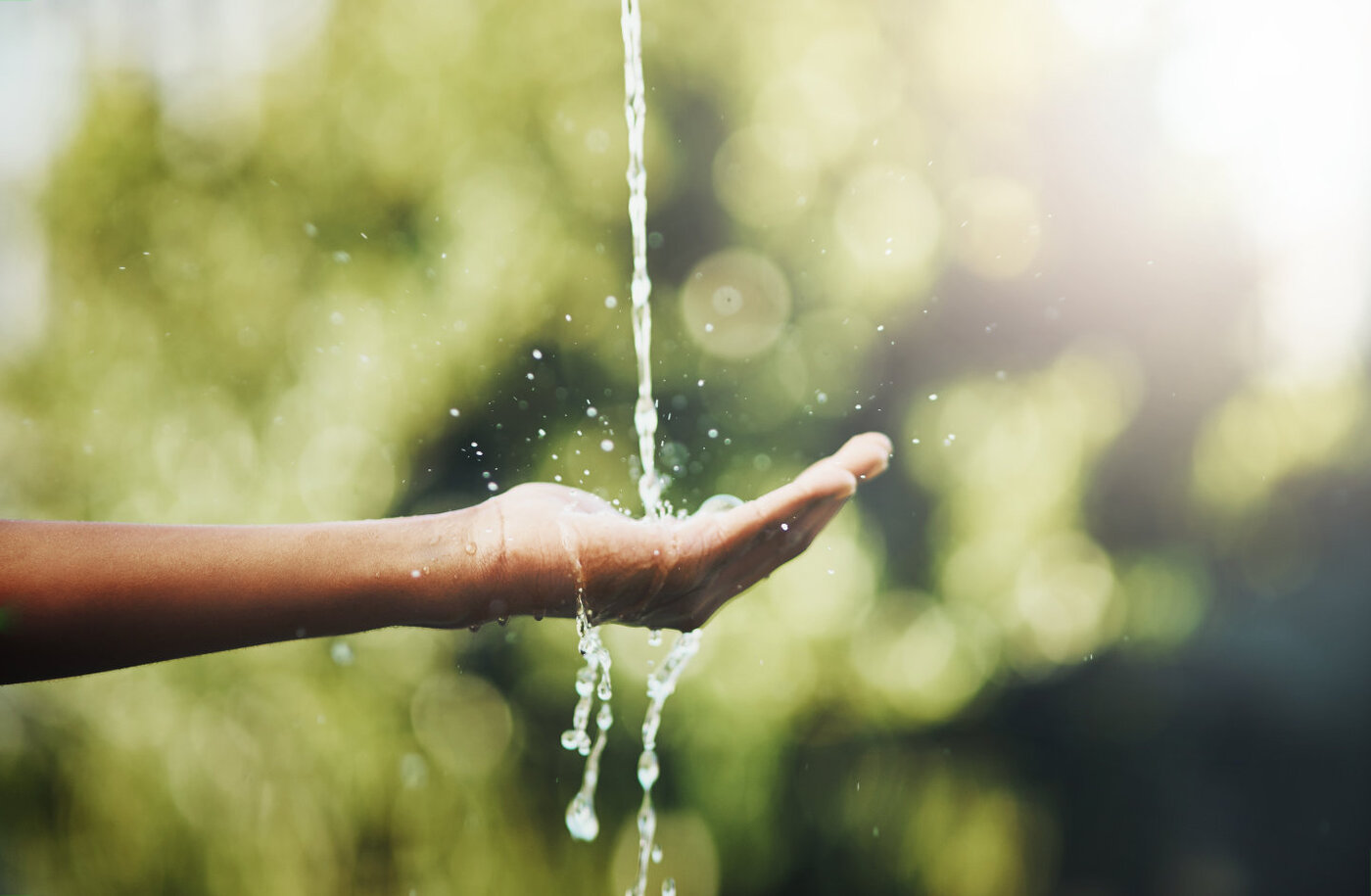
Beyond the need for water are the impacts of droughts, floods, storms, and other water events. With water-related hazards responsible for 9 out of 10 natural disasters, and with ocean conditions affecting our climate, our food supply, and our ability to inhabit Earth, the role of water in our lives cannot be overestimated.
Changes in the quality, quantity, and natural cycles of water and water systems have far-reaching impacts on all aspects of human life. As the human population continues to grow and the global clean water supply is reduced by consumption, contamination, and climate change, water issues will only increase in complexity and importance.1
Water Quality and Health
Water's direct impacts on human health come mainly from contaminants, which can be placed into broad classes:
- Chemical contaminants: natural or human-created chemicals (the primary focus of this page)
- Biological contaminants: microbes including bacteria, viruses, protozoa, fungi, algae, amoebas, and slime molds
- Radiological contaminants: radiation from decaying radioactive elements, both naturally occurring from soil and bedrock and from radioactive waste deposited or leaking into water supplies
- Thermal contamination: excess heat that impairs a water ecosystem's ability to sustain its lifeforms is also a kind of contamination. Although thermal contamination can impair an ecosystem's ability to produce food and other valuable services to humans, its direct impacts on human health are usually minimal.
Most health issues arise from inadequate access to clean water and from chemical contaminants.
Access to enough clean water
According to a 2025 report from the WHO/UNICEF Joint Monitoring Programme for Water Supply, Sanitation and Hygiene (JMP), 696 million people around the world still lacked even a basic drinking water service—an improved source within a 30-minute round trip from home—in 2024. An "improved" water source provides water when needed and is free from contamination (primarily microbial contamination from human or animal feces). This means almost 9 percent of the world’s population does not have access to clean water at home when it's needed.2
Water supplies in some areas are being depleted or becoming unpredictable due to climate change, slowing or reversing past progress ensuring water access for communities.3
In the US, the 1974 Safe Drinking Water Act (see below) regulates all drinking water systems that serve at least 25 individuals, and its implementation has made microbial contamination a rare occurrence in these systems. However, private and small community wells are not regulated or generally tested. A US Geological Survey report of testing in 48 states between 1991 and 2004 found that microbial contaminants were detected in as many as one-third of these wells.4
Sanitation
The World Health Organization classifies "improved" sanitation services as those designed to hygienically separate human waste from human contact.5
Without at least basic sanitation services—defined as improved facilities that are not shared with other households—the risks of water contamination from human excreta increase. As of 2024, 1.5 billion people lacked access to basic sanitation service. A total of 3.4 billion people lacked access to sanitation services that were defined as safely managed.6
Poor sanitation and contaminated water are linked to transmission of diseases causing diarrhea as well as cholera, dysentery, hepatitis A, and typhoid. In 2019, 370,000 children under age five died due to diarrhea related to poor sanitation and contaminated water. Diarrhea can lead to severe dehydration.7
Chemical pollution in drinking water
Chemical contaminants from both natural sources and human activity can make water unsafe or even unusable. Chemical contamination of water is a concern in many parts of the world, with the specific chemicals and their sources varying from one place to another. Some concerning facts and trends:
- Fossil-fuel burning power plants discharge at least 5.5 billion pounds of pollution into US rivers, streams, lakes, and bays each year. Coal-burning plants in particular discharge some of the most dangerous heavy metals on earth, including arsenic, lead, mercury, cadmium, chromium, and selenium.8
- A 2016 study found that levels of per- and polyfluoroalkyl substances (PFAS)—a widely used class of industrial chemicals linked with cancer and other health problems—exceed federally recommended safety levels in public drinking-water supplies for 6 million people in the United States.9 Data released by EPA in 2025 showed that 172 million people in communities throughout the US have drinking water that has tested positive for PFAS.10
- Globally, the most prevalent water quality problem is eutrophication, an excess of nutrients (mainly phosphorus and nitrogen) in a body of water, frequently due to runoff from land. Agricultural fertilizer and animal/livestock waste are the main contributors to eutrophication, which enables dense growth of plant life and algal blooms, resulting in the death of aquatic animal life due to lack of oxygen. Eutrophication can lead to toxic algal blooms, "red tides," "green tides," fish kills, inedible shellfish and blue algae, substantially impairing use of water for drinking, food harvesting, cleaning, and recreation.11
- A survey of 38 streams across the US in 2012-2014 found hundreds of chemical contaminants related to human activity, with the 10 most common being eight pesticides, caffeine, and the diabetes drug metformin. Each of these contaminants were detected in 26 to 32 of the 38 streams.12
- More than one in five US domestic wells tested from 1991-2004 contained one or more contaminants at a concentration greater than a human-health benchmark.13
- All 50 states and some US territories and tribes have consumption advisories to protect people from potential health risks of eating contaminated fish caught in local waters. Ninety–four percent of advisories in effect in 2011 involved five bioaccumulative chemical contaminants: mercury, PCBs, chlordane, dioxins, and DDT.14
- A 2016 report found that chromium-6, a Class 1 carcinogen (known to cause cancer),15 contaminates water supplies of more than 218 million Americans in all 50 states.16 An update in 2017 raised the number of people potentially exposed to at least 250 million.17
Despite improvements in some regions, water pollution is on the rise globally.18
Plastics in water
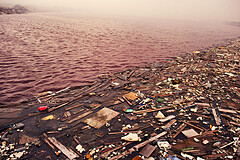
The volume of plastic in surface water is enormous and growing exponentially.19 Estimates of the amount of plastic entering oceans annually vary from 500,000 metric tons20 to ten times that amount.
Some plastic monomers are classified either as carcinogenic, mutagenic, or toxic for reproduction. Thousands of other compounds are added to plastic during production to impart various features and functions. These include solvents, bisphenols, flame retardants, phthalates, PFAS, and lead compounds.21 These chemicals can leach out during product use or as the plastic degrades.
Plastic pollution also breaks down into micro- and nanoplastics (MNPs), which are a growing concern. These tiny particles are now found throughout the environment and have been measured in many human organs. Plastic pieces contaminate fish and seafood, introducing plastic directly into the human food supply. For more information on the health and environmental impacts of plastics, see our Plastic Chemicals resource page.
Natural water contamination
Some water contaminants may be natural and not created by human activity:
- Pathogens (bacteria, viruses, and other microbes)
- Arsenic and other metals
- Radon and other radioactive materials
- Salt and other minerals
- Nitrates
- Perchlorate
Being derived from nature and natural processes doesn't mean these contaminants are safe. Metals, radioactive materials, nitrates, and other natural contaminants can make water unsafe for human use.
Even though these contaminants are found in nature, their levels in water are often increased by human activity.
Types and Sources of Chemical Contaminants
Most chemicals in drinking-water supplies are found at concentrations that do not cause acute toxicity—although there are some exceptions with unusually high exposures. Many chemical contaminants, however, can contribute to or cause adverse health outcomes from prolonged low-level exposure or when exposures occur during times of particular susceptibility as, for example, during pregnancy and fetal development.22 Main sources of chemical contamination in US drinking water are industrial chemicals and pollutants, agricultural chemicals, sewage treatment plant discharges, and urban runoff.23
In many countries, agriculture is the biggest source of water pollution. Irrigation is the largest producer, in volume, of wastewater, and agricultural irrigation leads to discharge of large quantities of agrochemicals, organic matter, pharmaceutical residues (including antibiotics, vaccines, and growth hormones), sediments, and salts. Nitrate from agriculture is the most common chemical contaminant in groundwater aquifers around the world.24 For more on agriculture and water pollution, see our Food & Agriculture page.
Sources of common water contaminants are outlined below. See the following section for information on the health impacts of exposure to these chemicals.
Arsenic: Arsenic is widely distributed in nature. Most rocks contain one to five parts per million (ppm), but in some places concentrations are much higher. Most people are exposed to constant but low levels. Normally, background drinking water levels are less than 5 μg/L, but can be significantly higher. Contaminated groundwater presents the greatest threat to public health from arsenic.25
Additional sources of arsenic include:
- Agricultural use as a pesticide (now largely phased out in the US and many other countries, but residuals in the soil can remain)
- Mining and smelting
- Coal burning
- Wood preservation26
Cadmium: Cadmium is a heavy metal that occurs naturally in the environment, but industrial activities can significantly increase exposures.
Sources of cadmium contamination in water include:
- Corrosion of galvanized pipes
- Discharge from metal refineries
- Runoff from waste batteries and paints
- Mining operations
- Fossil-fuel combustion
- Waste incineration27
Chromium: Chromium occurs naturally in topsoil and rocks. Chromium occurs in two forms, trivalent and hexavalent chromium. Trivalent chromium (chromium-3) is a trace element vital to human life. In contrast, hexavalent chromium (chromium-6) is highly toxic and a known carcinogen. Chromium-6 in the environment is almost totally derived from human activities.28 Chromium-6 is also much more soluble and mobile than chromium-3.
Several industrial processes release chromium-6 into the environment:
- Electroplating, leather tanning, and textile industries
- Oil and coal combustion
- Stainless steel welding, steel production
- Cement plants
- Industrial paint and coating manufacture
- Cooling towers29
Detergents and soaps: Sources include industrial and household use, as well as runoff from agricultural use in pesticides.30 Detergents can cause eutrophication, oxygen depletion, decrease light transmission, and change in water pH and salinity.31 Detergents can also negatively impact the performance of wastewater treatment plants.32
Lead: Lead is toxic at the lowest measurable levels — there are no safe levels of exposure. Regulations have greatly reduced rates of lead poisoning in the United States, but we are still living with the legacy of decades-old contamination.
Sources in water include:
- Plumbing materials including some metal water taps, interior water pipes, or pipes connecting a house to a municipal water main, especially in houses built before 198633
- Mining, smelting, manufacturing, and recycling activities
- Waste incineration
- Lead-acid battery manufacturing and recycling
- Leaded paint, leaded gasoline for some off-road vehicles, and aviation fuel
- Coal burning34
In 2015, at least 18 million Americans—and potentially many more—were served by water systems with lead violations. Testing over a four-year period from 2012 to 2016 showed excessive levels of lead contamination in almost 2,000 water systems in all 50 US states.35 The NRDC has produced a map showing which communities have lead water pipes.
Mercury: Mercury emitted into the atmosphere moves with wind and weather and deposits in soil, sediments, and water. When deposited, mercury can be transformed to methylmercury via bacterial methylation. Methylmercury is a potent neurotoxin, particularly in brains of developing fetuses, infants and children. It is bioaccumulative and as concentrations increase as it moves up the aquatic food chain it can pose significant risks to people consuming contaminated seafood.36 Mercury can also occur naturally from volcanic eruptions.37 Human-caused sources of water pollution include:
- Combustion of materials that contain mercury, with coal combustion (electric utility boilers and commercial/industrial boilers) being the largest source in the US.38 Incineration of mercury-containing wastes also contributes.
- Discharges and runoff from some industries, including some manufacturers of electrical appliances (lamps, arc rectifiers, mercury cells), fungicides, antiseptics, preservatives, pharmaceuticals, electrodes and reagents, artisanal gold mining,39 plus runoff from recycling and waste dumps40
Nitrates: Nitrates occur naturally in groundwater, but concentrations over 1 mg/L indicate that human activity has contributed. Elevated levels of nitrate can be toxic to fish and other aquatic life. In drinking water, elevated levels are harmful to humans, including increasing the risk of several kinds of cancer.41 EPA’s Maximum Contaminant Level (MCL) for nitrate is set at 10 mg/L to protect against blue-baby syndrome.42 In the over three decades since this level was set, additional evidence has shown a consistent connection between levels of nitrates below this regulatory limit (some studies showing effects as low as 4 mg/L) and several types of cancer (colorectal, bladder, and breast), thyroid disease, and neural tube defects.43 This all indicates that the current MCL may not be protective of long-term health.
The highest levels of nitrate are generally found in shallow wells and surface water supplies.44 Most nitrate pollution comes from agricultural uses. Specific sources of water contamination include:
- Excess application of inorganic nitrogen-containing fertilizers to fields and lawns
- Manure
- Wastewater treatment and from oxidation of waste products in human and animal waste, including septic tanks45
The drinking water of more than four percent of US residents exceeds the EPA’s maximum contaminant level of nitrates. This occurs most frequently in water from wells in agricultural areas, although drinking water obtained from contaminated surface water can also have elevated nitrate levels.46
PFAS: Per- and polyfluoroalkyl substances are a class of more than 12,000 chemicals. These include the chemicals PFOS and PFOA. Due to their persistence in the environment, PFAS have been dubbed "forever chemicals." They are used in many consumer products, industrial applications, and industrial firefighting foams. Due to their stain, grease, and water resistance properties, they are used in food packaging, textiles, apparel, and non-stick cookware. Land application of contaminated sludge as fertilizer is also a significant source of water pollution. PFAS contamination can also come from certain refrigerants, pharmaceutics, and pesticides.
Data on PFAS contamination in the United States is uneven and incomplete. One study sought to address this issue by compiling a map showing where PFAS contamination could be presumed, based on where PFAS contamination was likely to have occurred. The study focused on the following site types:
- Fluorinated aqueous film-forming foam (AFFF) discharge sites (military sites, major airports, fire training areas, and some fire suppression locations)
- Industrial facilities that use and/or produce PFAS
- Sites related to PFAS-containing waste (such as wastewater treatment plants, sludge land application sites, PFAS-burning incinerators, and landfills)47
In a recent report, US EPA data shows that about 172 million Americans are at risk of drinking water contaminated with PFAS.48
Perchlorate: Perchlorate can occur naturally in nitrate deposits and in potash ore. A substantial reservoir of natural perchlorate is present in some areas of the arid and semi-arid southwestern United States.49 It is also present in nitrate fertilizer deposits in Chile, which has led to contamination of exported fertilizer.50 Water contamination also comes from discharges and runoff from military and other facilities that use rocket propellant, explosives, fireworks, and road flares.
Pesticides: The term pesticide encompasses insecticides, herbicides, fungicides, and other substances used to control pests. Pesticides run off land into surface water and percolate into groundwater. Specific sources of pesticides as water pollution include:
- Agricultural applications, spills, and leaks51
- Injection of wastewater into wells52
- Forest management53
- Control of vector-borne diseases54
- Runoff from lawns, golf courses, and sports fields55
Pharmaceuticals and personal care products: A wide range of pharmaceuticals are found in water. Studies have found antibiotics, antidepressants, antipsychotics, blood thinners, heart medications (ACE inhibitors, calcium-channel blockers, digoxin), carbamazepine (an anticonvulsant), hormones (estrogen, progesterone, testosterone), steroids, tranquilizers, and painkillers as water contaminants.56
Sources of these substances in water include:
- The excretion of unmetabolized residues of active pharmaceutical ingredients
- Improper disposal of unwanted or leftover medications
- Animal waste laced with hormones and antibiotics, typically from large-scale poultry and livestock operations
- Discharges from manufacturing facilities of drugs and personal care products
- Household use and waste discharges57
Solvents: In industrial settings, solvents are often used in high volumes. Many solvents are volatile organic compounds.58
Sources in water include:
- Petroleum-based fuel spills and runoff from roads and parking lots
- Manufacturing discharges
- Household use and discharges
- Drilling and fracking
- Dry cleaning and other cleaning industry emissions and discharges59
Chemical mixtures
Chemical contaminants mentioned above and others often co-exist as complex mixtures in water to which people and wildlife can be exposed.
For example, hydraulic fracking for oil and gas using various combinations of hundreds of chemicals can lead to drinking water contamination through three confirmed pathways: spills; discharge of fracking waste into rivers and streams; and underground migration of chemicals, including gas, into drinking water wells. More than 1,000 chemicals are confirmed ingredients in fracking fluid. An estimated 100 are known endocrine disruptors, acting as reproductive and developmental toxicants, and at least 48 are potentially carcinogenic.60
Adding to this mix are heavy metals, radioactive elements, brine, and volatile organic compounds (VOCs), which occur naturally in deep geological formations and which can be carried up from the fracking zone with the flowback fluid, potentially contaminating surface water. Many chemicals used in fracking lack toxicity data sufficient to evaluate health risks from exposure.
The health effect of a chemical mixture can be different from, and greater than, the sum of the effects of the individual chemicals within the mixture. Exposure to multiple chemicals at low levels can be harmful even if each individual chemical is present at a level that has been classified as “safe."
Health Impacts of Chemical Contaminants
This table presents common chemicals found in water and some of their health impacts. The health impacts are from our Toxicant and Disease Database unless noted otherwise. See About the Toxicant and Disease Database for a description of Strong Evidence and Good Evidence. Linked text in the table relates to pages on this website with more information. There is no attempt here to describe the exposure level or route of exposure that is associated with the various outcomes.
| Contaminant | Health Impacts | |
|---|---|---|
| Strong Evidence | Good Evidence | |
| Arsenic |
|
|
|
Cadmium |
|
|
|
Chromium, including hexavalent chromium (chromium-6) |
|
|
|
Detergents and soaps |
|
|
| Lead |
|
|
| Mercury |
|
|
| Nitrates |
|
|
| Perchlorate | Perchlorate Interferes with iodine uptake in the thyroid, causing decreased thyroid hormone production. This is particularly problematic during pregnancy, when fetuses require normal thyroid hormone levels for brain development, as well as during infancy and childhood.62 | Thyroid disorders—hypothyroidism |
| PFAS (per- and polyfluoroalkyl substances) | ||
|
Listing all the individual health effects of pesticides here is not manageable. Please see our Toxicant and Disease Database for information on many individual pesticides. |
|
|
|
Pharmaceuticals and personal care products (PPCPs)
Listing all the individual health effects of these chemicals here is not manageable. |
Antimicrobial agents released into the environment increase the development of antibiotic resistant organisms that can make treating infections in people and animals more difficult.
Other health impacts will depend on the nature of each contaminant, and its concentrations and interactions with co-contaminants. Because they are designed to act on living systems, pharmaceuticals are intrinsically bioactive.71
According to the US Environmental Protection Agency (EPA), many PPCPs act as endocrine disruptors (EDCs), which can impact human health, especially at vulnerable periods such as fetal growth, infancy, puberty, and pregnancy.72
In addition, emerging research shows health impacts on development and reproductive function in aquatic animals.73 |
|
|
Solvents
For health effects of many individual solvents, please consult our Toxicant and Disease Database |
|
|
Indirect impacts of water quality on health
Anything that harms the quality of water and the health of water ecosystems can impact human health indirectly in many ways:
- The amount and quality of food that humans derive from ecosystems can be greatly reduced. For example, lack of water suitable for irrigation would dramatically curtail food production in many places. Fishing is likewise highly dependent on water quality. Globally, one-quarter of freshwater fish species are at risk of extinction.74
- Eutrophication can lead to the growth of toxins that make seafood poisonous to consumers.75
- The medicinal contribution of a water ecosystem's plants and animals can be impeded.76
- An ecosystem's ability to provide weather and climate benefits—including protection from storms, flood mitigation, humidity, and rainfall—can be impaired.77 Climate and weather also impact the health and productivity of forests, farmland, grasslands, fresh water and oceans, which also indirectly impact human health through the products they provide, our ability to build in and inhabit areas, and more.78
Other Types of Contamination
In addition to chemical contaminants, water can become polluted by biological, radiological, and thermal contaminants.
Biological contaminants
Biological or microbial contaminants are organisms living in water. In addition to human sewage,79 microbial contamination typically derives from agricultural activity, primarily livestock waste. Wildlife waste can also contaminate water.
Waste can introduce pathogens such as Shigella, Salmonella, Cryptosporidium, Giardia, Legionella, and coliforms into drinking water, leading to diarrhea and gastrointestinal illness.80 Cholera, caused by the bacterium Vibrio cholerae, is a particularly deadly water-borne disease; the World Health Organization reports about 1.3 to 4.0 million cases and 21,000 to 143,000 deaths worldwide every year from cholera, mainly in developing countries.81 Increased runoff from land sources during heavy rainfall can lead to disease outbreaks.
Waste can also cause algae blooms in surface water sources.82
Radiological contaminants
Radiological contamination can come from natural and anthropogenic sources. Radioactive radium and uranium are found in small amounts in rocks and soil, and can dissolve in water. Radium decays into radon, a radioactive gas.
Radon in water can be released into the air as you shower or use water for other tasks like washing dishes or doing laundry. Anthropogenic sources include the production of nuclear energy, mining, oil and gas production (including fracking), and medical treatments (such as radioactive iodine used to treat thyroid disorders).83
Public water systems follow regulations to keep radionuclides out of drinking water.84 Despite these protections, an analysis from 2018 by the Environmental Working Group found that drinking water for more than 170 million Americans contains radioactive elements at levels that may increase the risk of cancer.85
Thermal contaminants
Thermal contamination typically occurs when power plants or other industries use water to cool their systems and then release that heated water into natural water bodies. The resulting temperature increase can disrupt local ecosystems. Fish and other aquatic species might struggle to survive or reproduce. Thermal contamination can also promote the growth of harmful algae blooms.86
Climate, Water Resources, & Ocean Health
The effects of climate change reverberate through the water cycle: worsening floods, rising sea levels, shrinking glaciers, more frequent wildfires and droughts. Extreme weather events brought on by climate change can make water more scarce, more unpredictable, and more polluted.
Water can also be a tool to combat the effects of climate change. Sustainable water management increases the resilience of communities and ecosystems while reducing carbon emissions and improving natural carbon storage.87
Water scarcity
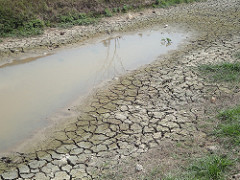 |
According to the World Wildlife Fund, more than a billion people worldwide lack access to water, and a total of 2.7 billion find water scarce for at least one month of the year.88 Water scarcity has many causes — most of which have been exacerbated by our changing climate:
- Water availability is being limited in many places by drought, which can reduce drinking water and an area's ability to produce food crops and livestock.89
- Unsustainable water use is driving aquifer depletion and stress on watersheds worldwide. Agriculture uses 70 percent of the world’s accessible freshwater, but more than half of this is wasted due to poor decisions such as crop production in areas not suited to the crops' water needs and inefficient watering methods. Leaky irrigation systems also waste water.90
- The growth of the human population puts extra pressure on water supplies. Deforestation, ultimately driven largely by population growth, also contributes to water degradation and reduced supply.91
- As described above, pollution of water sources with chemical, radiation, microbial, and other contaminants can make water unusable.92
Excessive water
Flooding is an increasingly common type of climate disaster. In 2023, approximately 32 million people worldwide were impacted by floods, facing injuries or losing their homes.93 In addition to causing tremendous disruptions in quality of life (including mental health impacts), heavy rainfall and floods can each increase water contamination by bringing pathogens and chemicals from roads, land, and buildings into water supplies.
Excess water can also promote mold growth and increase populations of insects that transmit disease. Heavy rain and floods can also erode soil and reduce its future use in agriculture.94
Economic value of water & water ecosystems
Because water ecosystems provide food, flood mitigation, water for agriculture, transportation, and recreation, and because they can temper or alter local climates, water quality is also inseparable from human economies. The full economic value of water and water ecosystems is enormous, as shown by dollar values assigned to "snapshot" aspects of water's contribution to economies:
- The Food and Agriculture Organization of the United Nations (FAO) estimated in a 2024 report that fisheries and aquaculture directly contributes to global food security and the livelihoods of over 600 million people worldwide.95
- The 2024 FAO report concluded that in 2022 fisheries and aquaculture produced roughly 223.2 million tons of fish and generated $472 billion.96
- In a 2006 assessment, tropical rivers and inland fisheries were valued at $5.58 billion per year.97
- The goods and services provided by the world’s wetlands were valued at $70 billion per year in a 2004 report.98
- A 2009 report concluded that freshwater ecosystems provide more than $75 billion in products and ecosystem services.99
- According to a 2004 estimate, Muthurajawela Marsh in Sri Lanka provides $5 million in annual benefits ($1,750 per hectare) through its role in local flood control.100
Ocean health
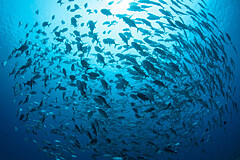 The health and functioning of the world's oceans directly impact humans' health and existence:101
- Oceans provide the majority of protein to more than a billion people.
- Phytoplankton, including microalgae, are responsible for greater than 50 percent of global primary production, including oxygen.
- Oceans store carbon, removing carbon dioxide from the atmosphere. Healthier oceans store more carbon.
- Oceans modulate the climate, absorbing heat and transferring it around the world.
- Healthy oceans enhance our physical and mental health.
- Many medicines are derived from marine species.
Petrochemical production and use represents the greatest global threat to ocean health. Greenhouse gas emissions drive global warming and acidification. Warmer water cannot hold as much oxygen as colder water. Acidification harms organisms that form shells and skeletons from calcium carbonate and reduces the ability of coral reefs to protect shorelines and provide habitat. These impacts can cause die offs of keystone species, such as plankton or krill, sending ripple effects throughout entire ecosystems.102
Modeling shows that as warming continues, ocean currents will change, with these shifts leading to sea level rise, changes to fish migration cycles, and shifting storm patterns.103 Petrochemical production is also closely connected to plastic pollution; Ninety-nine percent of plastic polymers and the chemicals added to them in product formulation are derived from fossil fuels.
Other factors threatening ocean health include:104
- The depletion of species and disruption of ecosystems from human activities like industrial fishing.
- Nutrient pollution, especially from agricultural runoff, leading to eutrophication (such as in the New-Jersey-sized dead zone in the Gulf of Mexico).105
- Chemical and plastic pollution; the Great Pacific Garbage Patch (the largest of several garbage patches in the oceans) shows how ocean functioning is grossly impaired by human activity. The International Union for the Conservation of Nature determined that plastic, including microplastic particles, makes up 80 percent of all marine debris, from surface water to deep sediments.106
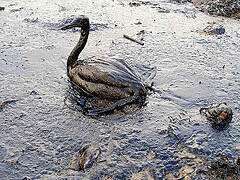
- Fossil fuel and other resource extraction are a threat, such as from oil spills and deep sea mining.
A 2025 report from the World Resources Institute examined the links between the ocean and human health, identifying opportunities for sustaining and protecting the ocean in ways that improve human health and support just, equitable economic development.107
Contamination Prevention and Regulation
 |
In the United States, a few key federal laws aim to safeguard human health from pollution and contaminants in water supplies:
- The 1972 Clean Water Act is the country's main tool for controlling source water pollution, but the law is limited by enforcement issues and legal ambiguity over which bodies of water it governs.108 The definition of the phrase “waters of the United States” has been changed multiple times, both to increase or decrease environmental protections. In 2023 a Supreme Court ruling altered the definition so that most of the nation’s wetlands were excluded from protections.109 Healthy wetlands are an essential part of aquatic ecosystems, helping to keep pollution out of water supplies and mitigating against floods.
- The 1974 Safe Drinking Water Act authorizes EPA to set national health-based standards for drinking water to protect against contaminants that are naturally occurring and/or caused by human activity. The SDWA focused primarily on treatment to provide safe drinking water. The 1996 amendments enhanced the law by recognizing source water protection, as well as funding for water system improvements and other components of safe drinking water, as important contributors to drinking water safety.110
- The National Primary Drinking Water Regulations (NPDWR) are legally enforceable standards that set the Maximum Contaminant Level (MCL) of a specified list of known contaminants in public drinking water. After years of delay, in 2024 EPA established MCLs for 6 PFAS, including PFOA and PFOS. However, in 2025 EPA announced that it would be delaying enforcement of the rules for PFOA and PFOS, and would rescind the regulations for other PFAS.111
- EPA’s 1991 Lead and Copper Rule requires systems to monitor drinking water at customer taps. If lead concentrations exceed an action level of 15 ppb or copper concentrations exceed an action level of 1.3 ppm in more than 10 percent of customer taps sampled, the system must undertake a number of additional actions to control corrosion and safeguard health. Many experts argue that these rules are inadequate to protect communities. They have called for multiple protective actions, including reducing the action level for water samples to 5 μg/L, which is the level recommended by Canada and the E.U.112
- Further legislation and regulations are described on the EPA website: Regulatory Information by Topic: Water.
In the European Union, the recast Drinking Water Directive is designed to protect human health from adverse effects of any contamination of water intended for human consumption by ensuring that it is wholesome and clean.
A 2011 publication from the World Health Organization provides guidance on regulatory frameworks for protecting drinking water worldwide: Optimizing Regulatory Frameworks for Safe and Clean Drinking-water.
In 2022, the United Nations Environment Assembly resolved to develop a global agreement on plastic pollution. In August 2025 the negotiations collapsed because countries could not agree on the necessity of reductions in plastic production. The future of these negotiations is uncertain. In order to protect the ocean, a strong treaty will need to include:113
- substantial reductions in plastics production;
- re-design with phaseout of the most toxic plastic polymers and hazardous additives;
- full transparency and public disclosure of the identity of chemicals used in making plastics, including additives;
- assurances that disposal and recycling does not result in the release of hazardous chemicals or materials into the environment or into recycled products; and
- prevention of incineration of plastic waste as a means of disposal.
US state & local regulations

Seeing the need for stronger protections, many US states have taken the lead. For example, federal EPA rules limiting PFAS contamination in drinking water have failed to keep up with public health science. As of 2025, 11 states have enacted enforceable standards such as Maximum Contaminant Levels (MCLs) for certain PFAS in drinking water. An additional 16 states have adopted guidance, health advisory, or notification levels for certain PFAS chemicals.115
Similarly, after a 2025 Supreme Court decision removed over half of the nation’s wetlands from the protection of the Clean Water Act, several states passed new rules to protect their wetlands (although other states responded to the change by loosening protections).116
Access to water as a human right
Access to both water and sanitation are basic human rights, fundamental to everyone’s health, dignity, and prosperity. Despite this, billions of people don’t have access to safely managed water. To address this, governments must take a human-rights based approach to managing water and sanitation.
Governments have a duty to guarantee universal access to safely managed water resources. A human rights-based approach creates a framework for rights-holders to hold their governments accountable. Factors impacting water and sanitation access, such as climate change, population growth, conflict, and migration must be planned for. Water resources must be used sustainably. As the United Nations states, “Respect for human rights must be integrated into development plans for all sectors, at all levels.”117
This page was last revised in September 2025 by CHE’s Science Writer Matt Lilley with input from Dr. Ted Schettler and editing support from CHE Director Kristin Schafer. This revision updated content originally created by Nancy Hepp.
CHE invites our partners to submit corrections and clarifications to this page. Please include links to research to support your submissions through the comment form on our Contact page.