


In 2025 the environmental health issues our community has been working on for decades gained more attention than we’ve seen in the past. We’ve been pleased to serve this broader audience with timely resources to help keep public conversations grounded in the latest science.
Here are some highlights of this work over the past year.
Engaging webinars
We hosted and co-hosted a wide variety of online discussions throughout the year. Some key topics included breast cancer prevention, health harms of plastic chemicals, and protecting children’s health.
We also organized discussions about changes at federal agencies, how to communicate effectively about endocrine disrupting chemicals, and challenges to scientific integrity. We offered two bilingual webinars — GMO Corn & Glyphosate and Impacts of Fracking in North & South America — further expanding our audience reach.
Overall, we saw increases in registration and attendance.
Many of our online events were organized with partners, including CHE Alaska (coordinated by Alaska Community Action on Toxics), the EDC Strategies Partnership, UCSF’s Program on Reproductive Health and the Environment/Science Action Network, and others. We co-hosted several CHE Café conversations with The New School at Commonweal.
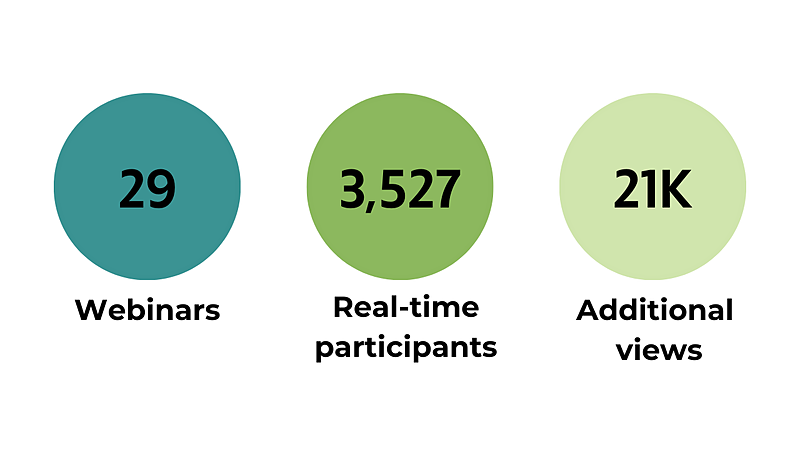
One particularly impactful webinar in 2025 was this EDC Strategies Partnership offering: Ultrashort-Chain PFAS: The global threat of trifluoroacetic acid. Dr. Hans Peter Arp presented to 352 live attendees, ranging from researchers and advocates to staff members from state and federal regulatory agencies in the US and public health officials from Europe and the UK. As of this month, there had been over 1,400 views of this recording.
“Very informative, thoughtfully presented, effective and compelling delivery — thank you.”
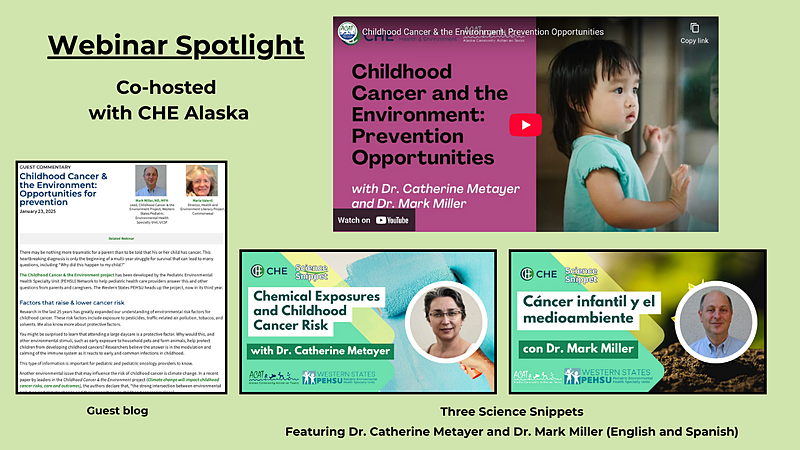
Our webinar spotlight this year features a CHE Alaska discussion about childhood cancer prevention opportunities. The successful online event was previewed with a guest commentary on the CHE website and followed up with three Science Snippet video reels, including one in Spanish.
Science translation & social media
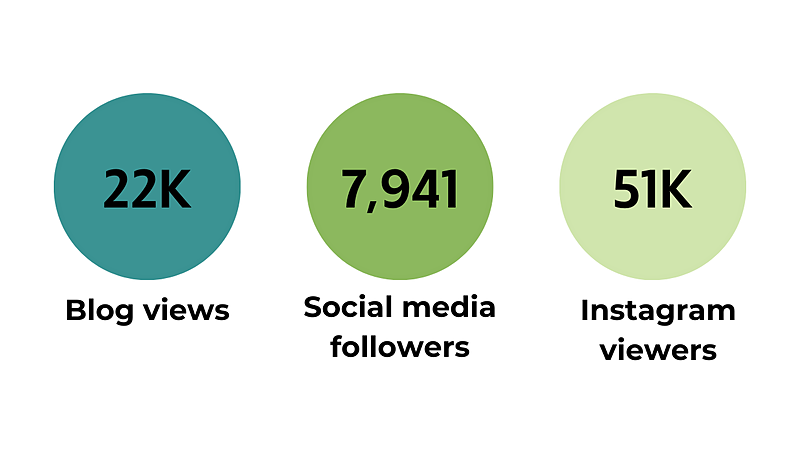
In addition to producing materials designed to make our webinar content accessible to a broad audience, we provided analysis and reflection on environmental health issues of the day. Our 28 blog posts over the course of the year were supplemented by 11 Science Snippet videos, four fact sheets, and a curated series of articles on children’s environmental health in a medical society journal.
“CHE takes cutting-edge research and makes it both accessible and actionable for community-focused public health advocates like myself.”
Our social media presence continues to expand, as we collaborate with more partners to engage with new audiences. We are now active on seven platforms, reaching tens of thousands of people with our science translation content.
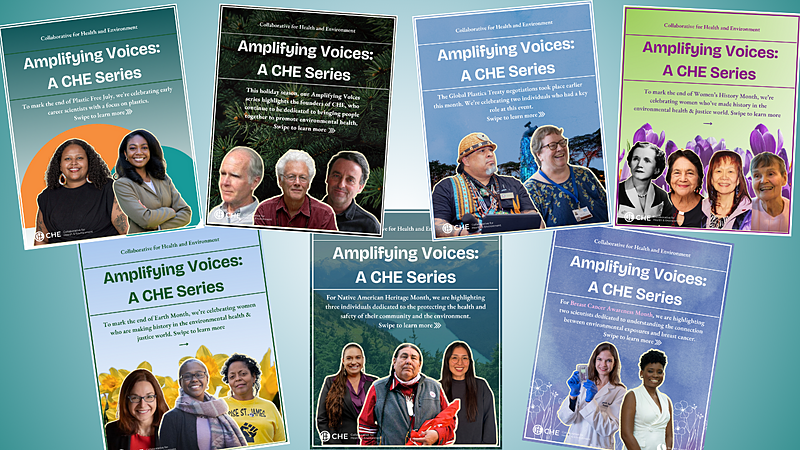
We launched a new series on Instagram called “Amplifying Voices” to celebrate individuals making a profound impact in the field of environmental health. These popular monthly posts spotlight the contributions of diverse changemakers, elevating the vital efforts and voices of leaders at all stages of their careers.
A refreshed website
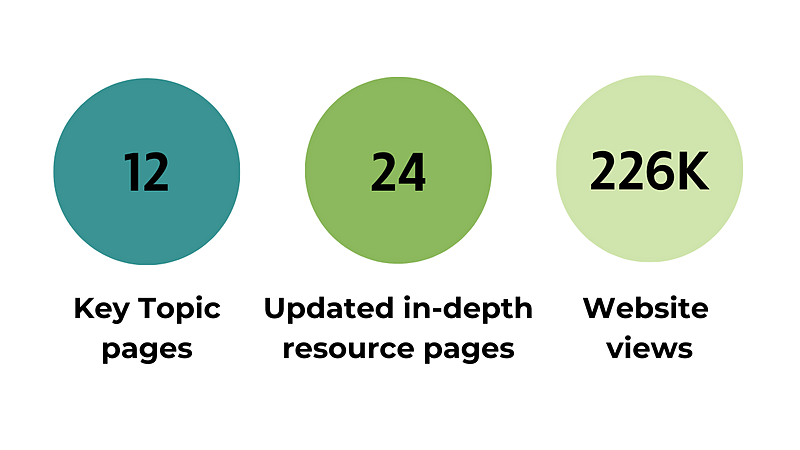
We launched a new website at the beginning of the year, offering a fresh look and new search tools for our environmental health resources. Users can now find issue-specific compilations of recent webinar recordings, blogs, and relevant partner links on our Key Topics pages. From artificial turf and PFAS to cancer and infertility, these compilations make it easy for users to find the content they’re most interested to explore.
We’ve also updated our in-depth issue pages with recent scientific findings and data. These fully cited resources cover the latest information on a wide range of specific diseases linked to chemical exposures, as well as an overview of many of the environmental hazards known to cause harm to human health.
We also refreshed the CHE Toxicant and Disease Database in 2025, incorporating new scientific evidence linking environmental exposures with disease. You’ll find additional resources specific to breast cancer on our bilingual Zero Breast Cancer website, including educational materials, webinar recordings, and blogs.
Our sincere thanks
The highlights presented here represent a small sampling of this past year's work. You'll find a full roundup of our 2025 webinars here, and we encourage all who are interested in learning more to explore our new website. Feel free to contact us with your ideas and feedback at any time; input is always welcome.
Many thanks from all of us on the CHE team to our partners across the environmental health community for the hard work that fuels our collaboration - from university researchers to health professionals, advocates, and public officials. We’re excited to continue our work together in the year ahead.
And finally - we couldn’t do this work without the financial support provided by our community. We invite you to consider a donation of any size to support CHE's ongoing efforts.