

Many protections from pollution and toxic chemicals have moved from the federal level to the states. This isn’t just a recent phenomenon; it goes back decades, to changes in the structure of agencies that manage environmental health and to a growing partisan divide.
As federal regulation of chemicals faltered, states started taking up the slack. States have always had a role as laboratories of innovation, and model environmental health policies can be found around the country. That is the focus of A Healthy Union: How States Can Lead on Environmental Health, recently published by Island Press.
For example, Texas was one of the first states to mandate that all school districts implement policies and practices to reduce use of hazardous pesticides. Massachusetts requires factories that manufacture, process or use certain toxic chemicals to develop strategies to reduce them. Regional programs are on the rise.
In this CHE Café discussion, we heard from the book’s author, Susan Kaplan, an environmental health lawyer and professor whose experience spans federal and state government and academia and Sarah Doll, longtime leader of the Safer States coalition and veteran state policy advocate. The speakers explored leading state environmental health policies and what other states can learn from them. Even as federal protections recede, the potential for state action offers hope.
This webinar was co-sponsored with The New School at Commonweal.
Featured Speakers
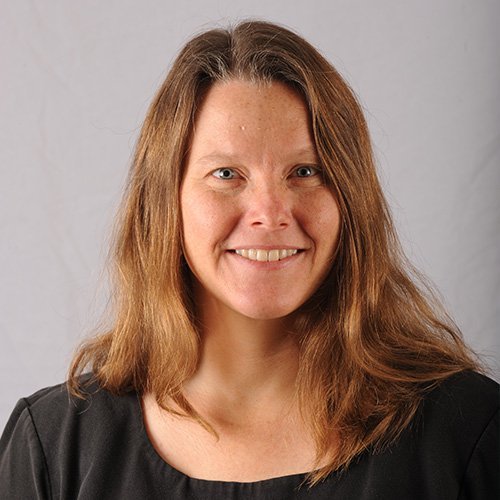
Sarah Doll is the National Director of the Safer States alliance. She uses her unique strategic and collaboration skills to leverage collective state and local action to secure policy protections and create pressure for market transformation to reduce the threat of harmful chemicals in our daily lives. She has over 20 years of experience managing successful environmental health campaigns. Prior to Safer States, Sarah worked for the Oregon Environmental Council, the City of Portland, and on Capitol Hill.
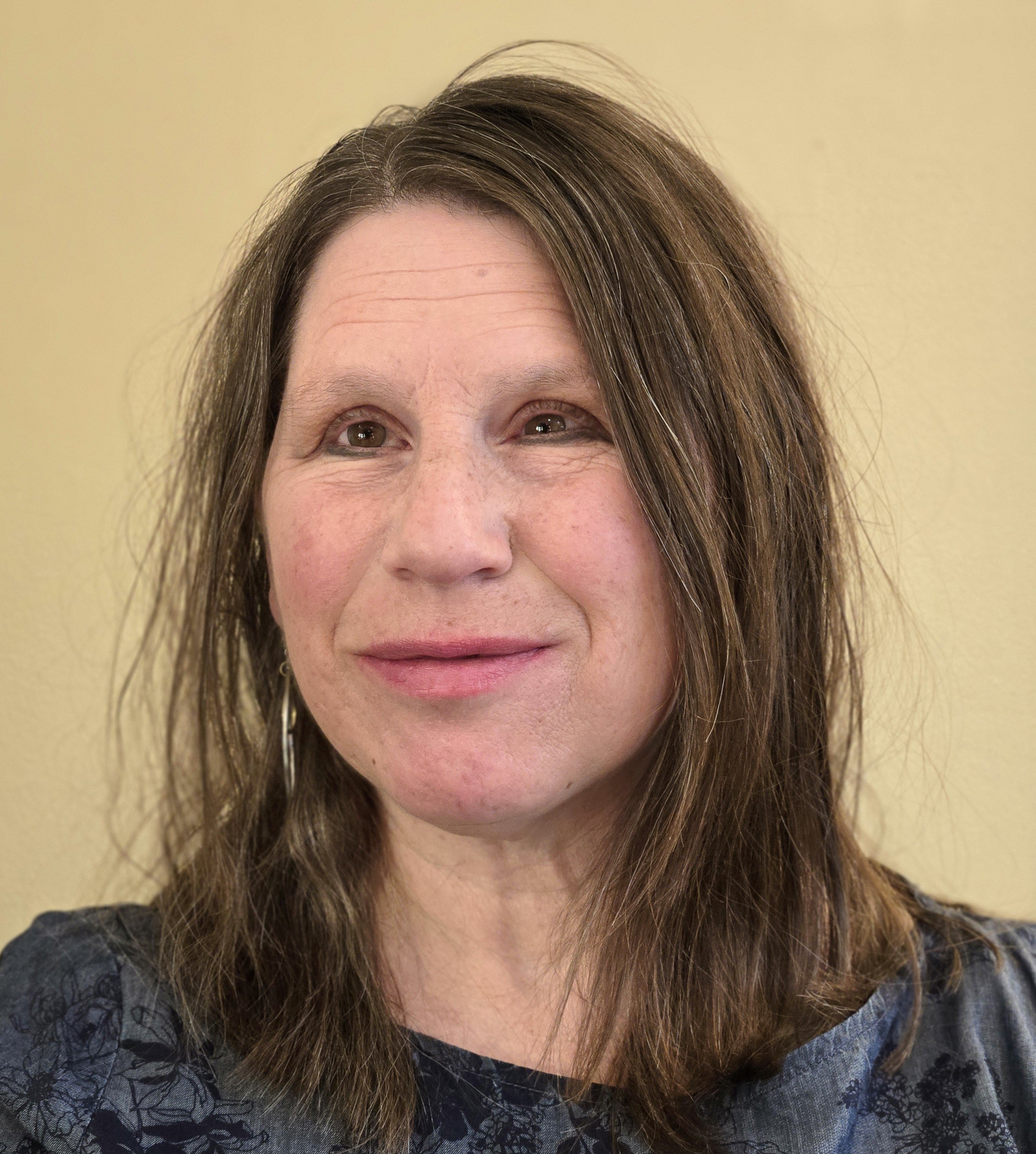
Susan Kaplan is an environmental health lawyer, professor and writer. She has held policy positions in federal and state government, served as assistant director of an energy policy group at Harvard University’s Kennedy School, and taught environmental health policy in the public health programs of the University of Illinois Chicago and Northwestern University. Her writing has appeared in the Washington Post, Boston Globe, Christian Science Monitor and other outlets. She lives in Vermont.