

With current worldwide dietary patterns, experts estimate that by 2050 agricultural production will need to increase by about 50 percent more than in 2012 to meet the needs of a growing global population.1 While food production has kept pace with population growth over the last several decades, much of the production increases have been accompanied by unsustainable practices that have led to pollution and the depletion of soil health and other natural resources. This degradation of resources is itself a threat to future agricultural production.
Many of the same unsustainable practices that degrade our natural resources (such as overreliance on pesticides and synthetic fertilizers) are also harmful to human health. In contrast, more sustainable practices can help to restore degraded landscapes while also providing people with healthy food.2
Industrial Farming
Industrial farming, also known as conventional farming, has contributed enormously to the increase in food production over the last half century. Some features of industrial farming include:3
|
|
- Technological innovation
- Large-scale farms
- Single crop production
- Continuous growing
- Use of high-yield crops
- Use of genetically modified crops
- Extensive use of pesticides, fertilizers, and external energy
- High labor efficiency
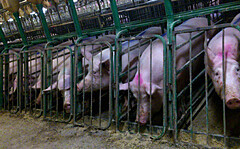
- Confined, concentrated livestock production
The philosophy that underpins industrial farming views nature as a competitor to be overcome. This approach has resulted in well-documented harms to the health of the ecosystems that agricultural production relies on, including:4
- Decline in soil capacity and desertification
- Water pollution and dead zones
- Water scarcity and the depletion of aquifers
- Pesticide impact on non-target species, including pollinators
- Pest resistance
Specific concerns to human health from industrial farming include pesticide and nitrate contamination in food and/or water supplies, harmful pesticide drift in air, and the use of antibiotics in animal production leading to the spread of antibiotic resistance.
Industrial agriculture's impact on water quality
Rain, snowmelt, and irrigation water that isn't absorbed by soil or doesn't evaporate flows across farmlands, ultimately ending up as surface water—creeks, rivers, ponds, lakes, and oceans. This runoff picks up contaminants from soil and other surfaces it traverses and can include pesticides, animal waste, heavy metals, phosphorus, and nitrates.
Agricultural runoff is the primary source of contamination in lakes and rivers. Water that collects in low areas and eventually percolates down into the soil can also contaminate groundwater.5
Nitrates
Nitrogen-based fertilizers, as well as wastes from animals and humans, decompose within soil and water to form nitrates and nitrites. Globally, the increasing use of synthetic fertilizers, the disposal of wastes (particularly from animal farming), and changes in land use are the main factors responsible for the progressive increase in nitrate levels in groundwater supplies since 1990.6 Communities living near agricultural fields—many using private wells—typically have higher levels of nitrate-contaminated drinking water. Concentrations of nitrates in water under agricultural land can be up to 100 times higher than under land with natural vegetation. Nitrate runoff is linked to a range of environmental and human harms, including:7
- Water runoff from land with excess nitrogen-based fertilizer can create algal blooms, leading to “dead zones” such as that seen in the Gulf of Mexico. Algal blooms can also be acutely toxic to humans.
- The primary route of human exposure to nitrates is through drinking water.
- High levels of nitrates in the body, such as when a person becomes dehydrated, can impede oxygen availability in the blood, depriving cells of needed oxygen. Children under four months old are at highest risk from nitrate-related effects, including a potentially lethal condition known as blue baby syndrome (methemoglobinemia). Pregnant women are also at increased risk.8 In addition to blue baby syndrome, nitrates are associated with heart attacks and arrhythmias, cognitive impairment, stomach cancer, and Raynaud's phenomenon.
- Ingestion of nitrates is “probably carcinogenic to humans,” earning it a Group 2A IARC listing. Increased levels of nitrates in drinking water have been shown to be associated with higher risk of cancer mortality.9 See our Cancer page for more information on cancer classifications.
Importantly, the EPA regulates nitrates under the Safe Drinking Water Act, and sets the Maximum Contaminant Level (MCL) for nitrates at 10 mg/L to protect against methemoglobinemia. In the over three decades since this level was set, additional evidence has shown a consistent connection between levels of nitrates below this regulatory limit (some studies showing effects as low as 4 mg/L) and several types of cancer (colorectal, bladder, and breast), thyroid disease, and neural tube defects.10 This all indicates that the current MCL may not be protective of long-term health.
Furthermore, private wells are unregulated under the Safe Drinking Water Act, requiring no testing or remediation, potentially exposing rural communities to levels of nitrates that exceed the MCL.

Untreated livestock manure
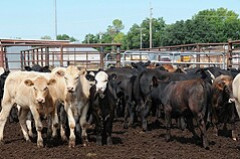
Many farms in the US no longer grow their own feed and thus do not have a need to turn their manure into fertilizer. Large-scale industrial agricultural facilities, such as concentrated animal feeding operations (CAFOs), can produce enormous amounts of unused animal waste—more fecal waste than a city produces. Although sewage treatment plants are required for human waste, no such requirement exists for livestock waste.
Untreated manure can be applied to the ground as fertilizer, but at the risk of oversaturating the land with nitrogen, phosphorus, and heavy metals. Manure can also contain pathogens such as E. coli, growth hormones, antibiotics, and other chemicals and contaminants. Thus ground storage poses a hazard to water quality and a risk to human health (see the section on nitrates and water contamination above).
Manure can also be shipped off-site, held in ponds or treatment lagoons, or stored in underground pits. Ponds and lagoons are susceptible to overflow or breaching and spills during heavy rain. Even when operating as intended, lagoons can contaminate groundwater.
Air pollution is another concern. Animal feeding operations produce several types of air emissions, including gaseous and particulate substances. The most typical pollutants found in air surrounding CAFOs are ammonia, hydrogen sulfide, methane, and particulate matter, all of which have varying human health risks. Emissions and odors from CAFOs can substantially impact both the health and the quality of life of surrounding communities. Rates of asthma and lung allergies are increased in neighborhoods near CAFOs.12 A 2019 review found that working and/or living near CAFOs is a risk factor for development of various respiratory diseases due to exposure to a variety of contaminants, including organic dust, pesticides, and zoonotic pathogens.13
Many of the pathogens in livestock manure are concerning because they can cause severe diarrhea. Healthy people who are exposed to pathogens can generally recover quickly, but those who have weakened immune systems are at increased risk for severe illness or death. Vulnerable populations include infants and young children, pregnant women, the elderly, and those who are immunosuppressed, HIV positive, or undergoing chemotherapy.
CAFOs are also a contributor to climate change. Manure emits methane and nitrous oxide, which are 23 and 300 times more potent as greenhouse gases than carbon dioxide, respectively.
In sum, poor handling of excess manure can result in contaminated drinking water, ambient air pollutants, increased risk of disease, and is a contributor to our rapidly changing climate.14
Sewage sludge & health
Sewage sludge (also known as 'biosolids') is the semi-solid matter left over from municipal waste water treatment.15 Sewage sludge is spread over farm fields as a fertilizer. In the US in 2023, nearly 4.5 billion pounds of sludge were applied to farm fields or used in compost.16 The sludge can contain pathogens such as E. coli, residues of pharmaceuticals, and potentially harmful levels of toxic metals and environmentally persistent chemicals such as polychlorinated biphenyls and dioxins. These contaminants can remain in soil—increasing over time—and can be transferred to water and food.
Both storing sludge in open fields and spreading sludge near wells and surface water increase the risk that sewage sludge pathogens will be transmitted to workers, farmers, and neighbors. Use of sewage sludge also increases health risks from the elevation of heavy metals and other pollutants in the soils and foods and from the release of mercury into the atmosphere.17
Sludge can also be contaminated with PFAS. Once the sludge is applied to fields, the PFAS can leach into food crops and crops of animal feed. Some farmers have been forced to euthanize their animals because of high levels of PFAS in farm products.18 A January 2025 report from EPA found that PFAS contamination from sludge posed a cancer risk, particularly for people who regularly consume milk, beef, and other products from farms where it is spread.19 Sewage sludge is expressly prohibited from being used when growing or processing organic foods.20
Antibiotic use in agriculture
Antimicrobial resistance (AMR) occurs when bacteria that cause disease in humans and animals become resistant to antibiotics. Globally, 73% of all antimicrobials sold are used in animals raised for food. A growing body of evidence has linked the use of antibiotics in industrial farming with the rise of antimicrobial-resistant infections, not just in animals but also in humans.21
In 2017, FDA outlawed the use of antibiotics on livestock to promote growth. However, antibiotics can still be given to livestock for disease prevention. This is often done at dosages and for extended periods of time identical or nearly identical to the growth-promotion uses.22 In contrast to the US, the European Union has stronger regulations, including restrictions on the use of antibiotics for disease prevention. A WHO report concluded that restricting use for disease prevention led to either no or negligible cost increases for chicken and swine production. Any costs that did occur were far outweighed by the benefits of reduced antibiotics use.23
Antibiotics use for disease prevention becomes necessary when animals are raised in cramped, poorly ventilated spaces. Intensive livestock production methods that crowd animals, deprive them of access to nature, divert them from the foods they evolved to eat, and inhibit their natural social interactions necessitate antimicrobials to keep animals healthy and maintain productivity. An alternative and more sustainable way to prevent disease in livestock is to improve their living conditions, with interventions like vaccinations, providing animals with more space and ventilation, and keeping equipment and feeding spots clean and disinfected.24
In addition to well-founded concerns about the increase of antibiotic-resistant strains of bacteria and the implications for treatment of human bacterial infections, concerns are mounting about effects of antibiotic residues in animal products on young children or on people with allergies or other health conditions.25 For example, antibiotic use, especially early in life, is known to impact weight gain in both humans and animals. This effect may endure well into adulthood.26
Antibiotics, animal microbiomes & human health
Antibiotic use in animal husbandry is known to alter the gut microbiome of livestock in profound ways, for example increasing E. coli populations soon after administration. These findings raise concerns about the functional capacity of the microbiota and potential for enteric (intestinal) infections.
Antibiotic alterations of the gut microbiota increase susceptibility to certain bacterial pathogens and have also been linked to viral and fungal infections and even disease susceptibility in distal organs.27 It is unclear if this has implications for human health as consumers of these animal products, especially when combined with the concern of antibiotic resistance.
Industrial farming & climate change
Industrial agriculture is a significant contributor to greenhouse gas (GHG) emissions. In 2017, agriculture produced about 20% of all human-generated GHG emissions. Climate change poses a significant and increasing challenge to agriculture worldwide, with adverse effects on crop yields, agricultural productivity, and food security. To mitigate the detrimental effects of climate change on agriculture, the agricultural industry will need to adopt more sustainable practices.28
Just over half of agriculture’s GHG emissions come from the management of agricultural soils. For example, the application of synthetic fertilizers increases the availability of nitrogen in the soil and results in emissions of nitrous oxide (N2O), a potent GHG. Fertilizing crops with just the appropriate amount of nitrogen would lower nitrous oxide emissions without negatively impacting crop production.29
Pesticides also contribute significantly to greenhouse gas emissions, while also making agricultural systems more vulnerable to the effects of climate change. Pesticides are primarily derived from fossil fuels. Fumigant pesticides have been shown to increase nitrous oxide production in soils seven to eight-fold. Many pesticides lead to the production of ground-level ozone, a greenhouse gas harmful to both humans and plants. Some pesticides, such as sulfuryl fluoride, are themselves powerful greenhouse gases.30
Livestock such as cattle produce methane (CH4) as part of their digestion process. Feeding practices can be adjusted to decrease the amount of methane produced by livestock. Manure treatment and storage is also a significant GHG contributor.31
Vulnerable communities
Farmworkers face increased risk to chemical exposures related to industrial farming. Many of these farmworkers are economically marginalized immigrants. About 75% of all farmworkers in the US are Hispanic, and well over half report that English is not their primary language. One-fifth of farmworkers have family incomes below the poverty level.32
Systemic barriers such as limited labor protections and language inaccessibility perpetuate vulnerability to harms from pesticides and other occupational hazards. In 2021–2022, only 64% of farmworkers reported that they had received training on the safe use of pesticides. Many pesticide labels are still only available in English. EPA has required that all pesticide labels must have translations by 2030.33 Inadequate availability and training in the use of Personal Protective Equipment (PPE) is also a factor in farmworker pesticide exposures.34
Studies have documented elevated incidence among farmworkers of chronic diseases linked to pesticides, including cancer, reproductive disorders, and neurological diseases.35 In addition to the workers, there is also an increased risk for their children; studies show that pesticides can be carried from field to home on parents’ clothing.36
Rural communities in general, and rural children in particular, are also at risk of exposures from pesticide drift. Many of the most toxic pesticides are also the most prone to drift, when they can float into nearby fields, schools, and homes.37 Pesticide drift can cause acute poisoning and a range of chronic health conditions. Children are particularly vulnerable. Exposure to toxic chemicals at critical developmental windows can derail their otherwise healthy development.38
Cancer rates in Iowa illustrate the risks of industrial agriculture, particularly to rural communities. Over 80% of the land in Iowa is devoted to agriculture.39 Iowa also has the fastest growing cancer rate of any state, and the second highest overall cancer rate.40
Between 1990 and 2019, the number of large CAFOs in Iowa increased fivefold. Most of the manure produced by these CAFOs is spread untreated over agricultural fields. The nitrogen in the manure can then seep into groundwater.41 Glyphosate use has also significantly increased since glyphosate-tolerant crops were introduced in 1996.42 The introduction of these and other GMO crops has greatly increased the amount of pesticides used in agriculture.
While it is not possible to tie specific cases of cancer to specific exposures, evidence suggests that a significant portion of Iowa’s increasing cancer rate is related to agricultural practices such as these.43
A 2024 study demonstrated an association between pesticide use and increased incidence of leukemia; non-Hodgkin's lymphoma; bladder, colon, lung, and pancreatic cancer; and all cancers combined:44

Genetically Modified Foods
Genetically modified foods are those in which DNA has been altered through laboratory processes.46 Although humans have been modifying foods through selective breeding for as long as humans have been farming, new technologies enable gene transfers between organisms in ways that are fundamentally different than natural breeding.
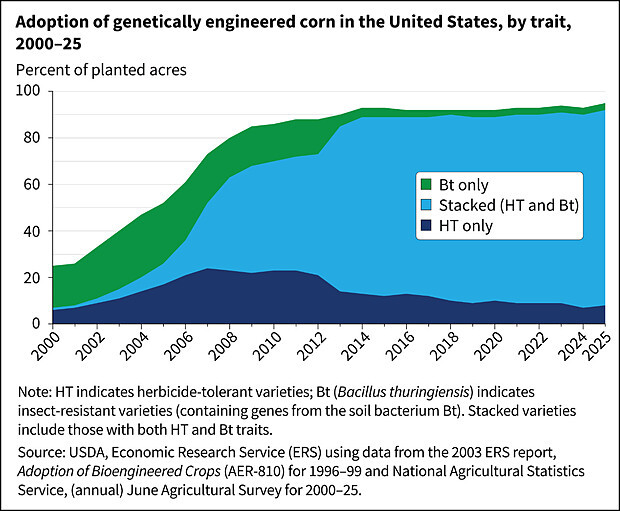
As of 2025, the United States Department of Agriculture reported that over 90 percent of all US acres of corn, soybeans, and upland cotton used genetically modified seeds.47
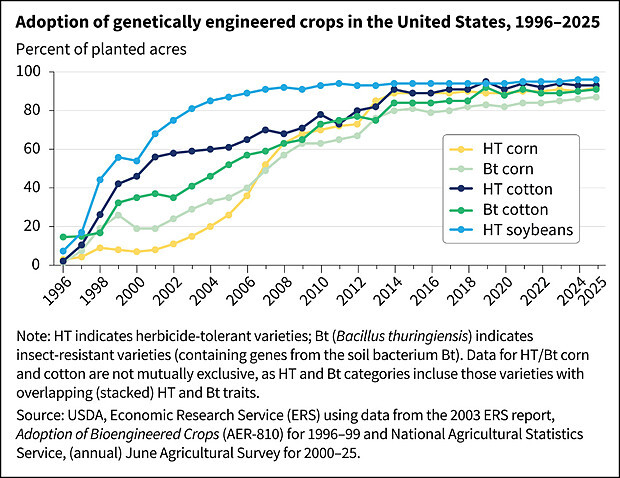
Source: USDA Economic Research Service.48
The vast majority of GMO crops currently on the market have been developed for the following:
- Increased tolerance of herbicide applications.
- Increased resistance to insects.49
- A “stacked” combination of herbicide tolerance and insect resistance.
 Herbicide-tolerant (HT) GMOs
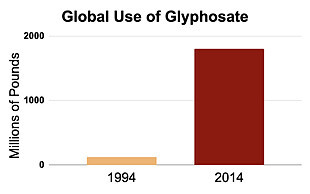
Herbicide-tolerant GMOs have been genetically engineered to tolerate specific herbicides, such as glyphosate, dicamba, and 2,4-D. The use of HT crops inevitably results in the increased use of the targeted herbicides. Since the introduction of glyphosate-tolerant crops in the 1990s, glyphosate has become the most commonly used herbicide worldwide.50 Worldwide use of glyphosate rose from about 124 million pounds (over 56 million kilograms) in 1994 to more than 1.8 billion pounds (almost 826 million kilograms) in 2014.51
A 2016 analysis found that for both soybean and corn (maize), glyphosate-tolerant seed adopters used increasingly more herbicides relative to nonadopters.52 This increased use is a threat to farmworkers and those living in rural communities. It also increases the amount of herbicide residues on the food produced.
Many weeds have developed glyphosate tolerance. In response, newer GM crops have been engineered for tolerance to multiple herbicides at once, resulting in increased use of those additional herbicides.53 In an unsustainable cycle, GMOs are driving widespread herbicide use, while widespread use is driving weed-tolerance, leading to more use of more harmful herbicides.
"Intensive use of glyphosate has led to the appearance of glyphosate-resistant weed species worldwide. First reports from Delaware, USA, made global headlines in the year 2000. They found that the Canadian horseweed could no longer be controlled with glyphosate. By 2012, herbicide resistant weeds have already spread across 25 million hectares of arable land in the United States. There are now 53 weed species that have developed glyphosate resistance, including amaranths in cotton and soybean crops. In order to combat such weeds less sensitive to glyphosate, farmers have increased glyphosate application rates and the use of other herbicides was intensified again as well."54
Illustrating this cycle, the number of species of herbicide-resistant weeds is growing every year. The chart below shows the number of resistant species to some common herbicides.

Herbicides have been associated with a wide range of human health harms. For example, studies have linked glyphosate and glyphosate-based herbicides with the following:56
- Cancer
- Damage to numerous organs and systems
- Endocrine disruption and reproductive disorders
- Liver disease
Glyphosate is classified by IARC as a probable human carcinogen. Epidemiological studies have linked exposure to glyphosate with non-Hodgkin’s lymphoma, hairy cell leukemia, multiple myeloma, and DNA damage. Glyphosate-based herbicides can interfere with numerous mammalian organs and biochemical pathways, including inhibition of numerous enzymes, metabolic disturbances and oxidative stress leading to excessive membrane lipid peroxidation, and cell and tissue damage.57
Evidence—conducted mostly with animals to date—suggests that herbicides such as glyphosate may interact with the human microbiome. A review from 2023 found that glyphosate residues in food may cause alterations in the microbiome (dysbiosis) associated with such conditions as celiac disease, inflammatory bowel disease, and irritable bowel syndrome.58
For more information about the health effects of herbicides, see our Pesticides page.
Insect-resistant (Bt) GMOs
Insect-resistant GMOs contain genes from the soil bacterium Bacillus thuringiensis (Bt). The bacterium, Bt, makes cry proteins, which are insecticidal toxins. Bt crops have been genetically altered so that they make those insecticidal cry proteins.
In theory, the use of Bt crops could lead to the decreased use of pesticides.59 However, in practice, worldwide insecticide production has increased over the last 40 years, with that increase accelerating since 2005.60
Many insect pests have become resistant to the toxins first engineered into Bt crops. In response, newer Bt crops have been engineered to produce multiple insecticidal cry proteins. These crops currently produce up to six different cry proteins.61 These toxin increases compound environmental risks as well as increasing the likelihood of unintentional impacts on human health.
Those who argue that Bt crops are safe claim that cry proteins are only pathogenic to specific groups of insects and invertebrates.62 However, studies have found evidence that Bt crops are associated with inflammatory processes, exacerbated reactions of the immune system, and allergenicity and oxidative stress associated with the expression of exogenous proteins in organisms.63
Stacked (insect resistant, herbicide tolerant) GMOs
The majority of the GM corn and cotton grown in the United States have been modified to be both insect resistant and herbicide tolerant. GMOs with multiple genetically modified traits are referred to as “stacked.” The chart below shows the adoption of GM corn in the US up to 2025:
The process of genetically modifying foods causes inadvertent damage to the DNA of the crop. This can change the biochemistry and composition of the crop in unexpected ways, potentially producing new toxins and allergens.65
Food grown with these stacked traits results in more DNA damage to the crop, increased herbicide use, and foodstuffs containing the insecticidal cry proteins. These stacked varieties compound all of the concerns about GMO foods, increasing the risks to health and the environment.
Other concerns related to GMOs
In addition to concerns about the increased use of herbicides, the allergenicity and immunological effects of Bt proteins in food, and the unintentional effects of inadvertent DNA damage to crops, the following are some other concerns related to GMOs.66
- Herbicides used on GM crops drifting onto nearby land and damaging nearby crops
- Gene transfer from GM foods to cells of the body or to bacteria in the gastrointestinal tract
- Outcrossing or migration of genes from GM plants into non-GM crops
- Proliferation of genes into wild populations
- Susceptibility of non-target organisms, such as beneficial fungi, insects, birds, and other wildlife, to either host plant toxicity or to the increased use of pesticides that accompanies many GM crops
- Loss of biodiversity, both of wild plants and animals and of agricultural crops
- Proprietary seed development whose plant does not produce seeds
- GM crops not being properly evaluated for safety
- The generation of “super pests” and “superweeds” that are resistant to insecticides and herbicides
For more on scientists’ concerns around GM crops, see our webinar GMO Corn & Glyphosate: New evidence for precaution from Mexican scientists.
Aquaculture
Aquaculture—also known as fish or shellfish farming—is the breeding, rearing, and harvesting of plants and animals in all types of water environments including ponds, rivers, lakes, and oceans, and also human-made structures such as tanks, cages, or raceways. The most common aquaculture foods include:67
|
|

Marine aquaculture:
- Oysters
- Clams
- Mussels
- Shrimp
- Salmon
|
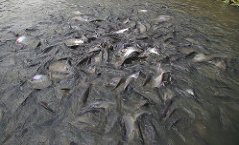
Catfish being fed in a canal in Thailand |
Freshwater aquaculture:
- Catfish
- Trout
- Tilapia
- Bass
As in agriculture, different methods of aquaculture have varying impacts on the environment and human health. Concerns about conventionally farmed fish include:68
- Most wastewater is released into the environment without treatment and finds its way into the natural surface water, groundwater bodies, and surrounding soils69
- Transfer of disease and parasites among confined, crowded animals and into wild populations
- Increased use of antibiotics and fungicides due to crowded, unsanitary conditions
- Introduction of dyes used to make farmed fish more attractive to consumers
- Introduction of foreign species into native populations through escapes
- Excessive pollution from fish excrement and uneaten feed, impacting neighboring populations in open water
- Excessive nitrogen and phosphorus compounds in water, leading to eutrophication70
Sustainable aquaculture practices include methods such as using non-fed aquaculture and recirculating aquaculture systems, which can reduce the use of water and land resources and minimize waste. Other practices include sourcing feed and other inputs from sustainable sources, conservation and effective management of aquatic biodiversity, minimizing the use of antibiotics and other chemicals, and ensuring high animal welfare standards.71
Sustainable Food Production
The long-term viability of the industrial food production system is being questioned for many reasons. Various approaches to more sustainable agriculture (farming systems that can maintain “their productivity and usefulness to society indefinitely”) have garnered growing attention, investment, and adoption in recent years.
The goal of sustainability is to meet the needs of the present without compromising the ability of future generations to meet their own needs. Sustainability requires stewardship of both natural and human resources.72 Sustainable farming is socially supportive, commercially competitive, and environmentally sound.73
|
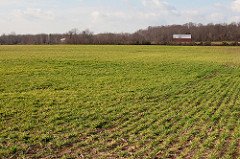
Cover crops sown between crop growing seasons reduce erosion, weeds, and water runoff, and also improve soil quality when plowed under before planting crops |
Common sustainable agriculture practices include:74
- Rotating crops and embracing crop diversity
- Planting cover crops and perennials
- Reducing or eliminating tillage
- Applying ecologically-based Integrated Pest Management (IPM)
- Integrating livestock with crops
- Adopting agroforestry practices with trees and shrubs
- Integrating uncultivated or less cultivated areas into the farm ecosystem
- Pulling marginal land out of production
Many of these practices focus on healthy soil. Healthy soil promotes healthy crops, holds more water, and prevents pollution. These practices also promote diversity. Research (such as Iowa State University’s ongoing Marsden Long-Term Rotation Study) has shown that farms with more biodiversity can be both more sustainable and more productive than conventional farms.
The transition from industrial to sustainable agriculture can be taken with a series of small, realistic steps.75 Each small step can bring a farm closer to sustainability.
The following are some different approaches to sustainable agriculture:
Agroecology – Seeks to harness, maintain, and enhance biological and ecological processes in agricultural production, in order to create more diverse, resilient, and productive agroecosystems.76
Organic production – Food grown and processed without synthetic fertilizers or pesticides and in line with organic certification guidelines and standards.77
Permaculture – Small-scale, design-based systems that rely on the natural ecosystem to grow or raise food in a way that doesn’t degrade the environment.78
Regenerative agriculture – Focuses on restoring soil health, sequestering carbon, and improving water retention.79
Organic agriculture represents 15% of U.S. produce sales.80 A recent survey found that 90 percent of farmers are aware of sustainable-farming practices, but holistic adoption remains low. However, over half of farmers have adopted at least some sustainable practices.81 More investment in sustainable farming research would help increase sustainable practices and promote a more resilient farm system. Organic agricultural research is applicable to all farm operations. Despite this, the USDA’s investments into organic-applicable research are less than 2% of research budgets.82
In 2021, 3.6 million acres of cropland were certified organic. Consumer demand for sustainably grown food has risen steadily since the 1990s. Sales of organic food products reached $65.4 billion in 2024.83
Home & school gardening
 Producing food at home or as part of a neighborhood community has health benefits from many aspects:
- Increased time and activity in a natural environment, with positive impacts on both physical and mental health
- Access to fresh-picked food, which can be higher in some nutrients—such as vitamin C and perhaps B vitamins—than foods harvested several days earlier and shipped to a grocery store84
- The ability to reduce or eliminate use of pesticides and synthetic fertilizers
- Cost savings, especially compared to some organically grown commercial foods
- Opportunities for social interaction in community gardens
- The ability to recycle kitchen and yard waste into compost, reducing climate change impacts of sending these to a landfill. Soil with compost needs less water, fertilizer, and pesticides85
- Involving children in growing food may increase their enthusiasm for eating fruits and vegetables
School gardens are a way to teach students about where their food comes from and also provide them with healthy, locally grown food. Nationally, about 15% of school districts have their own gardens.86 For example, Edible Schoolyard projects incorporate gardens into the curriculum, with students participating in planting, harvesting, and preparing fresh food. These programs help students make connections between food, health, and the environment. Thousands of schools across the US and internationally participate in Edible Schoolyards.
Potential soil contamination should be considered when gardening at home or on school grounds. Sources of contamination can include deteriorating leaded paint on buildings, building materials (such as treated lumber) releasing arsenic into soil as it breaks down, pollution from local industry, and past agricultural use. Soil tests are recommended before growing foods if any of the contamination sources listed above are known or suspected.
Toward sustainability
The harms of industrial agriculture are becoming more and more apparent. In order to meet the needs of the growing global population, we need agricultural systems that work with ecological processes, not against them. Agricultural practices that protect the environment are more resilient and also protect human health. Unfortunately, public policies around agriculture still largely support industrial systems of production.
In the US, much of agricultural policy is determined by the omnibus farm bill passed by congress about every five years. Its programs include funding for research and conservation. The farm bill can incentivize different types of farming practices, including sustainable ones.
Climate change only makes the need for sustainable agriculture more urgent. The changing climate brings with it more extreme weather events, including droughts and flooding. Sustainable practices, such as those promoting healthy soil, also store more carbon in the soil. Healthy soil in turn enhances crop resilience in the face of the extreme weather events brought on by climate change.87
This page was last revised in June 2026 by CHE’s Science Writer Matt Lilley, with input from Dr. Audrey Tran Lam and editing support from CHE Director Kristin Schafer.
CHE invites our partners to submit corrections and clarifications to this page. Please include links to research to support your submissions through the comment form on our Contact page.