

Time zones: 11 AM Alaska / 12 PM Pacific / 3 PM Eastern
Children’s brains are rapidly developing and especially sensitive to environmental exposures, making early-life contact with toxic substances a critical public health concern. In this webinar, leading experts with Project TENDR (Targeting Environmental Neurodevelopmental Risks) Maureen Swanson, Dr. Carmen Marsit, and Dr. Susan Schantz examined the emerging science on how plastics and the chemical additives used in their production, as well as microplastics themselves, may affect children’s brain development and overall health.
Drawing on decades of research in toxicology, epidemiology, and neuroscience, the speakers will present evidence highlighting the potential impacts of these exposures during critical windows of development. They will discuss how commonly encountered plastic-related chemicals can interfere with biological processes essential for healthy brain development, and why the widespread presence of these materials in everyday environments raises urgent concerns.
This CHE Alaska webinar also explored practical solutions, with the speakers outlining strategies to reduce children’s exposure to harmful chemicals in plastics, including policy approaches, system-level changes, and opportunities for prevention. Attendees gained a clearer understanding of the science, the scope of the issue, and actionable steps that can be taken to better protect children’s health now and in the future.
Featured Speakers
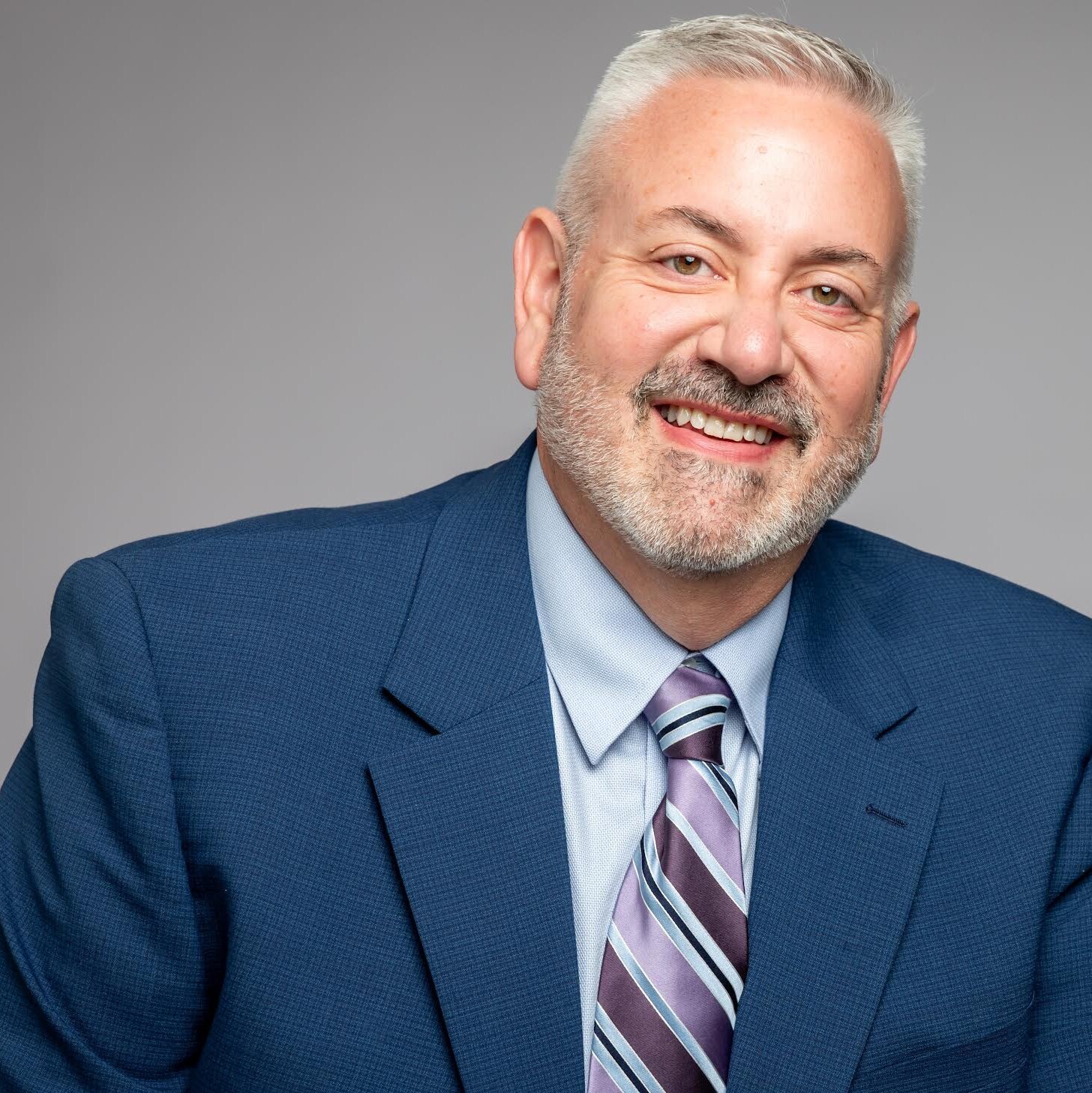
Carmen J. Marsit, PhD, is Executive Associate Dean for Faculty Affairs and Research Strategy, Rollins Distinguished Professor of Research, and Professor in the Gangarosa Department of Environmental Health and Department of Epidemiology at the Rollins School of Public Health of Emory University. Dr. Marsit also leads a multi-disciplinary research program focused on understanding the impacts of the pre- and perinatal environments on maternal and child health, utilizing the tools of genomics, epigenomics, and bioinformatics to uncover mechanisms underlying the impact of the environment on health within epidemiologic studies. He serves as Director of the NIEHS-funded Emory HERCULES Exposome Research Center and Training Program in the Environmental Health Sciences and Toxicology. Dr. Marsit received his BS in Biochemistry from Lafayette College and his PhD in the Biological Sciences in Public Health from Harvard University.

Maureen Swanson, MPA, is Co-Director of Project TENDR (Targeting Environmental Neuro-Development Risks), an alliance of scientists, health professionals, and advocates working to protect children’s developing brains from toxic chemicals and pollutants. She facilitates,

Susan L. Schantz, PhD is a professor emerita of Toxicology and Neuroscience at the Beckman Institute for Advanced Science and Technology at the University of Illinois Urbana-Champaign. Over her more than 35-year career she has conducted research in animal models and human populations focusing on how early life exposure to chemicals in our environment and our food supply impacts neurodevelopment. She directed a Children’s Environmental Health Research Center and a Toxicology and Environmental Health graduate and postdoctoral training program, both NIH-funded, for many years and she currently leads one of the research sites for the NIH-funded Environmental Influences on Child Health Outcomes (ECHO) Program.
 This webinar will be hosted by the CHE-Alaska Partnership, which is coordinated by Alaska Community Action on Toxics (ACAT). Driven by a core belief in environmental justice, ACAT empowers communities to eliminate exposure to toxics through collaborative research, shared science, education, organizing, and advocacy.