

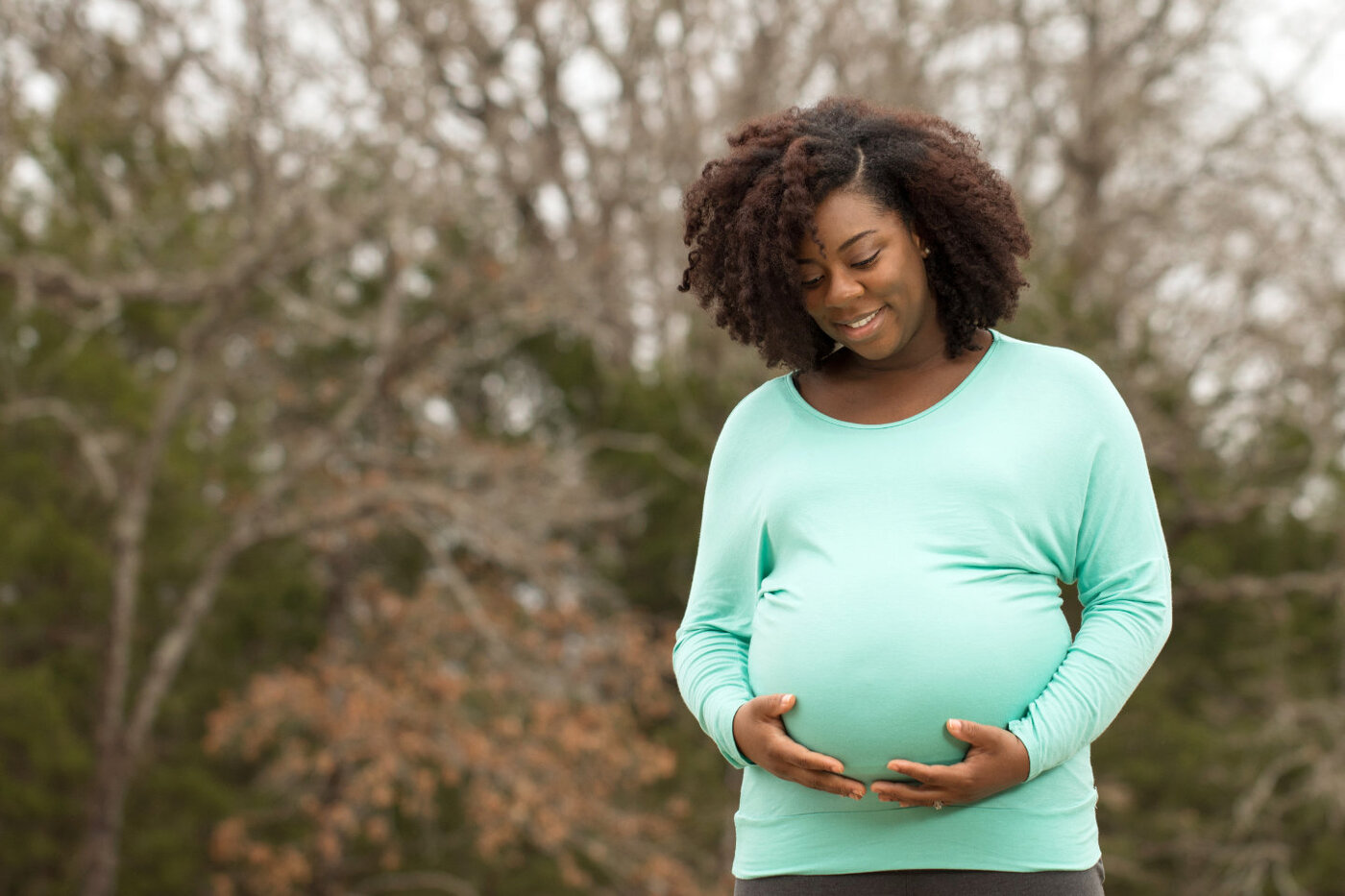
— Katsi Cook, Mohawk midwife and reproductive justice activist1
Environmental exposures that happen at all stages in life are relevant to pregnancy. Early exposures (in utero, in infancy, in adolescence) that impact reproductive health can impact pregnancy outcomes. Many environmental toxicants, such as lead and PCBs, can accumulate in the body over time, both prior to and during pregnancy. Stress responses and some chemicals can induce changes in genetic makeup, which can also be passed on to future generations.
Physiological changes during pregnancy increase vulnerability to the impacts of chemical exposure. Chemical exposures during pregnancy have been linked with lifelong consequences for maternal and child health, including cardiovascular disease, diabetes, adverse infant neurodevelopment, and adverse reproductive outcomes.
These health outcomes are increasing at rates that cannot be fully explained by genetics or improvements in diagnostics.
A cornerstone of our mission at CHE is to protect the health of families, children, and communities by amplifying and discussing emerging science on environmental factors related to reproductive health. When it comes to pregnancy and environmental exposures, the prevention of adverse health impacts is essential. By advocating for policies and practices focused on prevention, we are working to ensure a sustainable and healthy future.
Why Timing of Exposure Matters
The timing of exposures can make a huge difference in the health impacts of those exposures. An exposure that could be harmless to an individual later in life could cause severe malformations for a fetus.
In general, exposures early in life (embryo, fetus, infant, and child) and again during puberty are more likely to cause harm to the developing and maturing reproductive system than exposures at other times. In addition, because hormone levels fluctuate throughout life and regulate many reproductive functions, substances and exposures that impact our hormones can have effects throughout our reproductive lives.
Critical windows. A critical window of development is a sensitive time interval during development when environmental exposures can interfere with physiology of cell, tissue, or organ. These windows include periods in which cells are growing rapidly, tissues are forming, and the young body is still without most protective capabilities, such as an immune system, blood brain barrier, or DNA repair system.
The Critical Windows of Development2 timeline from The Endocrine Disruption Exchange3 shows how exposures to certain chemicals can affect various anatomical systems (including reproductive and endocrine systems) at different stages of prenatal development.
Reproductive Toxicants
Exposure to environmental toxicants is linked with various reproductive diseases and disorders, many of which harm a person’s reproductive health. Below we highlight some key categories of potential exposures.
|
Air Pollution |
Air pollution is a complex mixture, including particulate matter (PM) and volatile compounds. Many of the compounds are products of incomplete combustion, such as polycyclic aromatic hydrocarbons (PAHs) and black carbon nanoparticles. A recent study found that black carbon nanoparticles pass through the placenta and reach the human fetal liver, lung, and brain during the first and second trimester.4 Globally, these nanoparticles are associated with increased risk of adverse pregnancy outcomes, including pregnancy loss and low birth weight. |
|
BPA and its substitutes |
Bisphenol A (commonly known as BPA) is one of the most widely produced chemicals in the world. It is used in hard plastics, food and beverage containers, receipts, dental sealants, and more. BPA mimics estrogen activity, interfering with the hormonal systems of humans and other animals. Increasing concern about BPA has prompted its substitution with other chemicals. However, many of these other chemicals are also bisphenols, closely related to BPA. Studies show that these substitutes can be similarly potent to BPA in hormonal activities and actions. |
|
Endocrine Disrupting Chemicals (EDCs) |
Endocrine-disrupting chemicals (EDCs) are found in many everyday products, including plastics, detergents, flame retardants, food, toys, cosmetics, and pesticides. EDCs can alter the hormonal signals that control and guide much of our growth and development, the way our organs function, and our ability to fight disease. Exposure to EDCs is linked with many human diseases and conditions including reproductive disorders. EDCs are of particular concern for children and pregnant women. Studies have shown the EDCs can have health impacts at extremely low doses. |
|
Flame Retardants |
Many flame retardants have endocrine disrupting properties, including polybrominated diethyl ether(s) (PBDEs). PBDEs have been in widespread use as flame retardants. PBDEs bioaccumulate in lipophilic tissues through ingestion of contaminated food commodities or household dust. Recent reports have shown that PBDEs can accumulate in various reproductive tissues. This increased PBDE concentration is associated with preterm birth.5 |
|
Lead |
Lead can be stored in a person’s body and passed to a developing fetus and infant many years later. A 1991 study found a higher proportion of learning disabilities among school-aged children whose mothers were poisoned by lead as children.6 Women who may have experienced lead exposures at any time in their lives should take extra care when pregnant or lactating (breastfeeding) to follow the recommendations for dietary calcium intake. Lack of calcium in a mother's body may accelerate demineralization of her bones and teeth to supply calcium to her fetus or to her milk. If she has lead stored in her bones, demineralizations will mobilize lead into her blood. |
|
Pesticides |
Pesticide exposure to parents before, during, or after pregnancy can have long-term impacts on children, including birth defects, developmental disabilities, behavior and psychological effects, impaired reproductive function, and cancer. |
|
PFAS |
PFAS (per- and polyfluoroalkyl substances) are a class of more than 12,000 chemicals used in consumer products, industrial applications, and industrial firefighting foams. They are used in numerous consumer products such as food packaging, textiles, apparel, and non-stick cookware due to their stain, grease, and water resistance properties. Studies have shown that PFAS can disrupt a woman’s reproductive health in many ways.7 |
|
Phthalates |
Phthalates are one category of EDC. Phthalates are used widely in plastics, personal care products, fragrances, and other applications. People are exposed to phthalates through ingestion, inhalation, and dermal contact. Data from a number of studies have identified associations between maternal exposure to phthalates in pregnancy and preterm birth.8 |
Little Things Matter video from Bruce Lanphear on the impacts of toxins on preterm birth
Other Reproductive Health Issues
Altered sex ratio
The ratio of male to female offspring at birth is typically 104 to 107 boys for every 100 girls, excluding societies where selective abortion skews the sex ratio. Anything outside this range is considered an altered sex ratio.
Although research is fairly limited, some studies have found associations between certain chemicals and altered sex ratio.9 Because many of these chemicals affect fertility, departures from this fairly stable ratio could reflect damage to reproductive systems beyond the altered sex ratio.
Breastfeeding
The numerous health benefits of breastfeeding are well documented:
- Babies who are breastfed tend to have higher IQs than babies who are not breastfed.
- Breastfeeding lowers the risk of death from infectious, gastrointestinal, and allergic diseases in babies.
- Breastfeeding may reduce babies' risk of obesity.10
Mothers also benefit substantially from breastfeeding, with a lower risk of postpartum hemorrhage and depression, as well as reduced blood pressure and stress. Long-term effects include reduced risk of breast and ovarian cancers, hypertension, and type 2 diabetes.11
Unfortunately, in addition to important enzymes and nutrients, breast milk can also carry toxic chemicals. Chemicals accumulate in a mother’s body throughout her life and can be passed to the baby both through the placenta and in breast milk. Despite these concerns, doctors say that, when possible, breastfeeding is still the healthiest choice for moms and babies.
Environmental justice
Racial and socioeconomic disparities in reproductive health have persisted in the US for many years. According to the Centers for Disease Control and Prevention and the US Department of Health and Human Service, Black women have a 50% higher rate of preterm birth, a 60% higher chance of developing preeclampsia, and are twice as likely to experience the loss of a child compared to their White counterparts.12
Communities of color and low income communities have higher exposures to environmental chemicals and socioeconomic stressors, due to factors such as food and housing insecurity, poverty, lack of access to healthcare, and racism/discrimination.
Drinking water contaminants, air pollution, and endocrine disrupting chemicals (EDCs) ubiquitous in consumer products and the environment place an undue burden on populations of color, which can increase the risk of poor reproductive health outcomes throughout life. Health impacts include early onset puberty, fetal development, preterm birth, low birth weight, infant mortality, and early menopause.
Nutrition
Poor maternal nutrition can affect birth outcomes, but the relationship between the two is also influenced by characteristics that vary among populations, including demographic factors, socioeconomic status, and genetic drivers.
Improving nutritional status is known to reduce mortality, morbidity, and health-care costs associated with adverse pregnancy outcomes, including low birth weight, preterm birth, and intrauterine growth restriction (IUGR). Aside from pregnancies with congenital anomalies, these three outcomes are the leading causes of neonatal death, and all three can result in a predisposition to chronic disease in adulthood.
Nutritional status and low birth weight are especially important in low and middle-income countries, where most neonatal deaths occur. Improved nutrition in nutrient-deficient mothers is accompanied by a corresponding reduction in adverse birth outcomes.13
Physiological changes during pregnancy
Physiological changes that women experience while pregnant make them more sensitive to some chemical exposures. These changes affect all major organ systems. For example, pregnant women experience vasodilation, which increases their blood circulation. Preeclampsia and gestational hypertension are potentially life-threatening blood pressure conditions that can occur during pregnancy. PFAS exposure has been associated with an increased risk of these conditions.14
Poverty and stress
Low-income families are more likely to experience nutritional deficiencies and (especially in low-income countries) preterm birth, low birth weight, and intrauterine growth restriction (IUGR) outcomes.15
Pregnant women with high stress and anxiety levels are at increased risk for miscarriage, preeclampsia (a serious pregnancy complication characterized by high blood pressure and signs of damage to kidneys or other organ systems),16 preterm labor, fetal growth restriction (related to low birth weight), and birth defects.17
Timing of puberty onset in girls
The age of puberty onset appears to have declined in several industrialized nations over the last half century. In the United States, girls get their first periods (menarche) a few months earlier than they did 40 to 50 years ago, and they develop breasts (thelarche) one to two years earlier.18 The hormonal cues that initiate the onset of puberty are sensitive to a variety of influences, including obesity, nutrition, and stress, as well as exposure to environmental pollutants.19
Early puberty has been associated with polycystic ovarian syndrome, obesity, breast cancer, depression, and a number of social challenges such as a greater incidence of behavior disorders during adolescence.20
CHE's Work on Reproductive Health
From the beginning, CHE has had a significant focus on reproductive health. In our first 10 years, we convened gatherings and produced reports that laid the groundwork for the establishment of UCSF’s Program on Reproductive Health and the Environment (PRHE). PRHE was the first program on environmental drivers of reproductive health harms in the nation, and continues to be the nation’s leading research and public policy center devoted to creating a healthier environment by preventing exposures to chemicals and pollutants.
We continue to highlight emerging science in this area. In 2020 we worked with a half dozen partners to organize Generation Chemical, an 8-part webinar series on emerging science linking chemical exposures to reproductive health harms.
Below are summaries of some of CHE’s earlier work on this important issue.
Women's Environmental Reproductive Health Consortium
CHE's Reproductive Health Working Group took a leading role in the Women's Environmental Reproductive Health Consortium, which convened researchers from the National Institutes of Environmental Health Sciences Intramural Research Division and grantees at academic institutions across the United States receiving funds through the NIEHS Division of Extramural Research & Training.
While the consortium is no longer active, CHE’s Reproductive Health ScienceServ continues to provide a forum for collaborations among scientists to share emerging research and explore translational strategies that magnify the impact of scientific findings.
Workshop on Navigating the Scientific Evidence to Improve Prevention
In August 2009, PRHE, CHE, and other partners hosted this workshop. The goal was to translate the emerging science in environmental reproductive health into timely action in clinical and policy arenas. The workshop achieved consensus on the outline of the Navigation Guide, which was published in 2011.21
Women's Reproductive Health and the Environment Workshop
Meeting in January 2008, the Women’s Reproductive Health and the Environment Workshop fostered a collaboration of eminent and up-and-coming scientists specializing in women’s reproductive health. Organized by the CHE in partnership with the University of Florida and PRHE, this invitational workshop had three goals:
- Assess the key science linking environmental contaminant exposures to reproductive health outcomes currently being reported at ever greater rates in women and girls.
- Identify research directions that will fill current gaps in the scientific understanding in this field.
- Translate this information for a lay audience of journalists, policymakers, NGOs, community groups and others who can develop a strategy for prevention and intervention.
The workshop led to the publication of a peer-reviewed article that illustrated the role of EDCs in numerous human female reproductive disorders.22 In addition, the workshop led to the publication of a report for a non-scientific audience: Girl, Disrupted: Hormone Disruptors and Women's Reproductive Health and a summary brochure in two versions: a trifold brochure for a general audience: Hormone Disruptors and Women's Health: Reasons for Concern and an annotated version for researchers. These publications were used to lobby for increased federal funding for women's environmental health research.
Summit on Environmental Challenges to Reproductive Health and Fertility
In 2007, the Summit on Environmental Challenges to Reproductive Health and Fertility was convened at the Mission Bay Campus of the University of California, San Francisco (UCSF).The Summit was the product of a collaboration between the UCSF Program on Reproductive Health and the Environment (PRHE), the UCSF National Center of Excellence in Women's Health, and CHE. This conference was designed for clinical researchers and clinicians/health professionals, scientists; allied and public health professionals; policy makers, government; leaders from patient advocacy, women's health, community and worker health, environment, reproductive advocacy, and environmental justice; and environment/health funders. Participants exchanged the latest research around environmental contaminants and reproductive health, discussed how the science impacts public health, education, policy, and the health care system and explored mutual areas of collaboration among the diverse constituencies participating in the summit. Proceedings were published in 2008.23
Since that summit, CHE’s work has been intertwined with PRHE’s, and we continue to collaborate in many ways. We organized the Generation Chemical webinar series together in 2020, and in 2023 we've co-hosted a series of online events focused on healthy building materials and environmental justice, and several webinars focused on strengthening national chemicals policy.
To explore recent webinars, blogs, and partner resources on pregnancy and reproductive health, see our Key Topics page.
This page was last revised in February 2024 by CHE’s Science Writer Matt Lilley, with input from Julia Varshavsky, PhD, MPH, and editing support from CHE Director Kristin Schafer.
CHE invites our partners to submit corrections and clarifications to this page. Please include links to research to support your submissions through the comment form on our Contact page.