

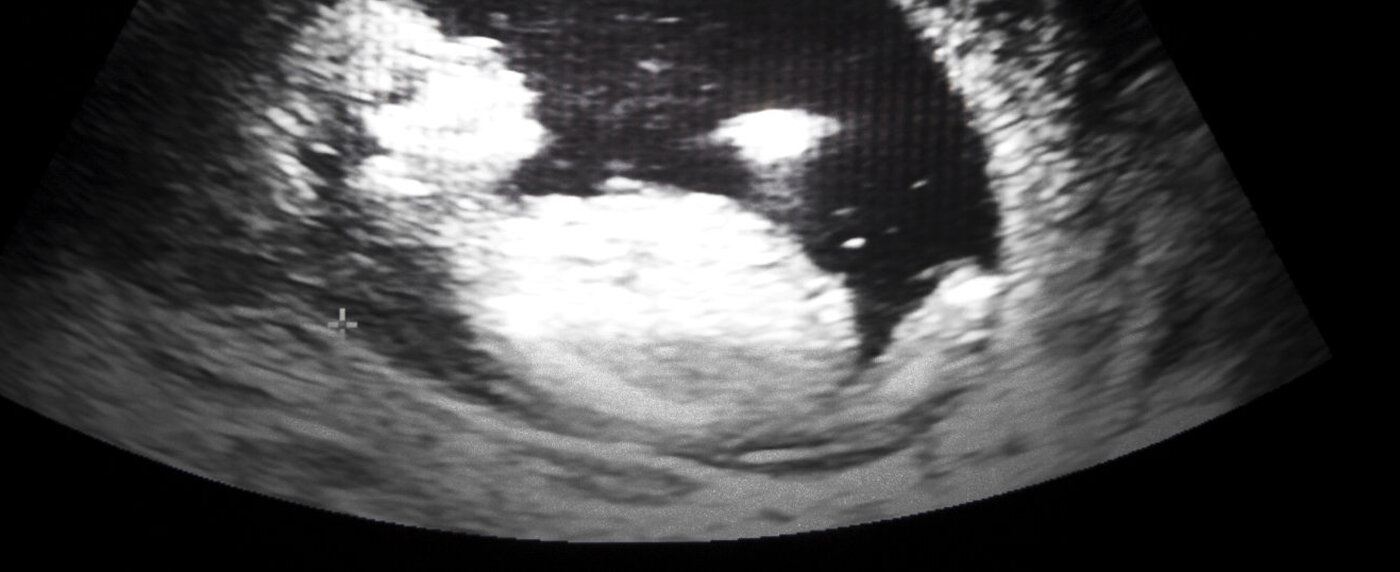
We present here an introduction to the various types of birth defects, incidence trends, and research on genetic and environmental contributors.
The developing embryo and fetus are extraordinarily and uniquely vulnerable to environmental exposures. Prenatal exposures and conditions can not only result in structural birth defects but can also impact the function of the nervous, immune, reproductive, and other systems.1
The "better safe than sorry" approach of the precautionary principle should be taken when dealing with chemicals that may cause birth defects. Both individual action and prevention from government and industry are needed to safeguard individuals and families.
Types of Birth Defects
As noted above, there are many terms used to describe disorders and abnormalities present at birth. We use the term “birth defect,” defined as a physical or biochemical difference that is present at birth. The term is used to describe broad groups of conditions, but is not meant to apply to any specific person or groups of people with a specific condition. On this page we describe major types of birth defects, but this list is not comprehensive.
Structural birth defects
Structural defects involve how the body is built. They are defined by physical abnormalities in one or more parts of the body. They are present at birth and result in a physical disability such as an oral cleft, spina bifida, congenital heart defects, or upper and lower limb reduction. Historically, structural birth defects have been classified as either major or minor.2
Depending on the source, the term “birth defect” may refer only to structural birth defects. While not consistently used by the Centers for Disease Control and Prevention (CDC), this limited definition is used in the CDC’s birth defect prevalence estimates.3
Congenital heart defects: Congenital heart defects are conditions present at birth which cause the blood to move through the heart in an abnormal fashion.4 Many forms of congenital heart defects involve abnormalities in the valves of the heart, interior walls, and arteries and veins moving the blood from or to the heart. The National Institutes of Health (NIH) reports that congenital heart defects occur in about one percent of live births in the US, making congenital heart defects the most common type of birth defect.5
Oral clefts: Oral clefts, otherwise termed orofacial clefts, are a subcategory of facial birth defects made up of cleft lip and cleft palate.6 The facial birth defects result from an incomplete joining of the tissue forming the facial structure. Oral clefts can occur alone (isolated) or alongside other birth defects. Isolated oral clefts are one of the most common birth defects in the US. About 3,067 infants with cleft palate alone and 5,021 infants with a cleft lip with or without cleft palate are estimated to be born in the US annually.7
Limb reduction: When developing fetuses’ arms (upper limbs) or legs (lower limbs) form abnormally or fail to present at all, the fetus has an upper or lower limb reduction defect. An estimated 2,722 infants with limb reduction defects are born in the US annually.8
Spina bifida: Spina bifida is a category of neural tube defect in which the neural tube fails to develop properly or does not close completely, causing the backbone to form abnormally.9 There are multiple types of spina bifida, defined by their physical presentation. The three most common forms:
- Myelomenigocele: the most severe form, defined by the occurrence of a sac of fluid containing part of the spinal cord protruding from an individual’s back.
- Menignocele: individuals with menignocele spina bifida also present with a protruding sac of fluid but the sac does not contain any part of the spinal cord.
- Spina bifida occulta: also known as hidden spina bifida, this form lacks an external sac but presents with only an internal gap within the spinal cord.10
All together, spina bifida is estimated to affect 2,002 U.S. births per year.11
Other types of birth defects
A broader definition of the term birth defect is used by many health organizations and includes other forms of abnormalities present at birth:
- While structural defects involve how the body is built, functional defects (or anomalies) involve how the body works. They result from one or more adverse events during fetal development. Functional defects, also known as developmental birth defects, can affect the nervous system, immune system, endocrine system, or other systems of the body, and may not become apparent for months or years.12
- Metabolic defects are a subset of functional birth defects.13 These defects involve abnormalities in an individual’s body chemistry. Two prominent metabolic birth defects are Tay-Sachs disease14 and phenylketonuria (PKU).15
- Degenerative disorders are conditions that might not be obvious at birth but cause one or more aspects of health to steadily get worse.
- Considered by some to be birth defects, non-disabling defects are abnormalities that do not necessarily result in a disability, although they may be unwanted or cosmetically disfiguring, such as an extra finger. Non-disabling structural abnormalities should not be taken lightly, however, as they may be an external sign of future functional issues.
The table below demonstrates that defining defects is complex and often overlapping. One defect may present with multiple forms of abnormalities. Further complicating the definition of birth defect are comorbidities — the presence of two or more conditions concurrently — which are common among individuals with birth defects.16
|
Common Birth Defects17 |
|||
|
Structural18 . |
Functional19 |
Metabolic20 |
Degenerative Disorders |
|
|
|
|
|
*These conditions are discussed in more detail on other webpages on this site, as linked. |
|||
The terminology used for the group of disorders classed as “congenital” is inconsistent across international/national organizations and in the peer-reviewed literature. As shown in the graph below, a review in 2023 tracked the prevalence of different terms in peer-reviewed literature over 20 years. The review found that clear definitions of these terms are rarely provided. In many cases, the three terms analyzed are used inconsistently and often synonymously with other terms.

This presents its own public health challenge:
“To ensure that those affected by congenital disorders are not left behind, they must be diagnosed and counted. For this to be undertaken comprehensively and accurately, the components of this burden of disease must be clearly defined in a language understood by all.”22
Prevalence of Birth Defects
The use of various definitions of birth defects, coupled with varying methods of tracking defects (if they are tracked at all), results in considerable uncertainty regarding their incidence and prevalence. The March of Dimes estimates that six percent of all newborns are born with a serious genetic or partially genetic birth defect globally.23
In the US, the CDC reports that according to medical records, three percent — one in every 33 births — has a major structural or genetic birth defect.24 The large discrepancy between the US and global estimates may be due to a combination of multiple factors, such as wealth, infection rate, nutrition and other environmental factors.25 Access to health care and diagnostic facilities may also affect reporting rates across geographic areas.26
Some evidence indicates that US rates may be higher than those reported by the CDC.27 Data on birth defects are not collected uniformly or completely.28 Because birth defects are not consistently identified and recorded across locations and time periods, summaries of prevalence and trends are elusive. While there is no nationwide birth defect tracking system, the CDC funds population-wide tracking in 10 states. Some states, such as California, independently track birth defect data.
Demographics
Race, ethnicity, and parental age are all risk factors for birth defects.29 A 2024 review article noted that births to Hispanic mothers had the highest prevalence for several birth defects, including anencephaly, spina bifida, and trisomy 21 (Down syndrome).30
A 2014 study also found that race and ethnicity were associated with numerous birth defects, including anotia/microtia, spina bifida, and Down syndrome. This study found that in comparison to non-Hispanic whites, Cubans and Asians had a lower occurrence of many of the studied birth defects.31 However, the study did not adjust for known risk factors such as socioeconomic status, nutrition level, or access to medical care. Without controlling for such confounders, conclusions regarding the underlying cause of the difference in prevalence between the races and ethnicities are speculative.
Birth defects are a leading cause of infant mortality in the United States. A 2020 report showed significant racial disparities in the rates of infant mortality attributable to birth defects:

Maternal age is associated with an increased risk of some birth defects, with different risks seen in younger and older mothers:33
- Older women (over 34 years old) are at increased risk of bearing a child with chromosomal abnormalities such as Down syndrome or non-chromosomal abnormalities such as non-chromosomal heart defects.34
- Younger (teenage) women are at higher risk for a child with gastroschisis, premature birth, or impaired fetal growth.35 Premature birth and impaired fetal growth are associated with several structural and functional birth defects.36
While less understood and rarely discussed, paternal age is also a risk factor for birth defects. Most likely due to age-related genetic mutation, older men are more likely to father children with functional and structural birth defects.37 Birth defects associated with older paternal age include Down syndrome,38 Crouzon syndrome, and Pfeiffer syndrome.39
Causes of Birth Defects
Both genetic and environmental factors contribute to the total incidence of birth defects, and the percentage attributable to each is not known.40 . In fact, the cause of approximately 70 percent of birth defects is unknown.41
Genetic factors
Birth defects can be caused by abnormalities in genetic material, including gene sequence changes (mutations) and changes in the number of chromosomes.42 Abnormalities may be inherited or result from random mutation within one or both parents' gametes (egg and sperm), an abnormal reproductive cell formation, or from chromosomal damage in the developing embryo.43
Inherited genetic birth defects are either recessive or dominant, indicating the effect of a copy of a gene on the phenotype (physical expression) of that gene. Humans are diploid organisms, having two copies of each gene. A defect is dominant if a defect occurs when only one of the two gene copies within a person malfunctions. Recessive defects require both gene copies to malfunction for the defect to occur.44
Both dominant and recessive defects can be either X-linked (the malfunctioning gene is located on the X chromosome) or autosomal (the malfunctioning gene is located on one of the other 22 chromosomes). The inheritance pattern of X-linked and autosomal defects is dependent on their dominance.45
Genetics and epigenetic programming
Genetic variants play a role in fetal development, causing some birth defects. However, having a specific gene variant, or set of variants, does not always mean that an individual will have a defect. Often with genetic components of diseases and disorders, an individual's environment — nutrition, activity, chemical exposures, sleep quality, and so on — can either promote or inhibit the physical expression of genes.
The term "epigenetic programming" refers to mechanisms that can turn on or off genes or sections of chromosomes, changing their functioning. These changes are maintained as the cell replicates, and some research has shown that these changes can pass down to offspring. Changes in a fetus's genes by the mother's nutritional status during pregnancy are an example of epigenetic programming.
Epigenetic mechanisms that interface the environment and the genome have emerged as an important area for birth defects research.46
Environmental factors
Environmental exposures experienced by men and women throughout their lifetimes can lead to chromosomal abnormalities impacting the health of their offspring. Additionally, the toxicants accumulated by a woman throughout her life and during pregnancy can transfer in large quantities to the developing embryo and fetus, at times when exposures have the greatest impact.
A relatively small proportion of birth defects can be clearly attributed to specific environmental causes; the causes of only about 30% are somewhat understood. However, scientists suspect that the majority of birth defects are due to environmental factors or gene-environment interactions. Uncovering the role of specific environmental factors in regard to birth defects is particularly challenging, but progress is being made.47
Teratogens—agents which can cause a birth defect—are broadly categorized into five groups:48
- Physical agents such as radiation and heat/hyperthermia
- Environmental pollutants
- Drugs, both medicinal and recreational
- Maternal illness and altered maternal metabolism
- Maternal infections
We provide a brief overview of each of these, of interactions among them and of how timing may influence their impacts.
Environmental pollutants and physical agents
CHE's Toxicant and Disease Database provides a list of exposures associated with selected structural birth defects. Though the database was last updated in 2016, it remains a valuable resource. We have summarized the list of toxicants in this table, supplemented from other sources as noted.
This list is not exhaustive, and many further chemicals and agents have not been studied sufficiently to determine their roles in birth defects. For definitions of the strength of evidence and more information about the database, see About the Toxicant and Disease Database. More information about specific toxicants is on the linked pages.
|
Defect |
Strong Evidence |
Good Evidence |
|
Congenital malformations—general |
|
|
|
Cardiac congenital malformations |
|
|
|
Cranio-facial malformations |
|
|
|
Fetal alcohol syndrome / fetal solvent syndrome |
|
|
|
Neural tube defects / central nervous system (CNS) malformations |
|
|
|
Oral clefts (cleft lip and palate) |
|
|
|
Skeletal malformations |
|
|
Further toxicants with limited evidence of associations are listed in the Toxicant and Disease Database.
Extreme heat exposure is a major threat to health in the 21st century. Heatwaves are increasing in frequency, intensity, and duration. An emerging concern is potential associations between heat exposure and birth defects, with evidence strongest for cardiac lesions. These concerns are especially pronounced among women in resource-constrained settings who have limited access to interventions such as air conditioning.56
Pharmaceuticals
Drug therapy needed for a woman's health and well-being during pregnancy can increase risks of birth defects. A few examples:
- Anticonvulsant drugs, including sodium valproate and phenytoin, for maternal epilepsy can increase the risk of major malformations, growth retardation, and hypoplasia of the midface and fingers, known as anticonvulsant embryopathy. In developing countries, the fetus of an epileptic mother is at greater risk because anti-epileptic therapy is less likely to be well-controlled, multiple drug therapy is more common, and less-expensive but more teratogenic drugs are more likely to be used.57
- Anti-thyroid drugs taken during specific weeks of pregnancy can lead to birth defects, including abnormalities in skin and facial features, structural defects such as choanal and esophageal atresia, and psychomotor delay.58
- Isotretinoin (Accutane), a drug used to treat severe acne, is associated with malformations involving craniofacial, cardiac, thymic, and central nervous system structures.59
Maternal illness and infectious disease
Birth defects are more frequent in children of mothers who have preexisting chronic diseases including diabetes and hypertension.
Uncontrolled maternal insulin-dependent diabetes mellitus (IDDM) increases the risk of heart defects and neural tube defects. IDDM affects 0.5 percent of pregnancies (one in 200) in high-income countries. In lower income countries, IDDM is more likely to cause birth defects as a result of poor diabetes control.60
Certain infections in pregnant women can damage the fetus or infant:61
- Congenital cytomegalovirus (CMV) can impair fetal growth or cause long-term neurological damage or death to infants. CMV infants may develop neurological, growth and developmental problems; vision or hearing problems; and dental abnormalities.
- Herpes simplex virus infection has high mortality and significant morbidity.
- Rubella can cause multiple congenital anomalies including microcephaly, cardiac defects that can result in fetal death, and hearing loss (see more at right).
- Toxoplasmosis can cause intrauterine growth restriction, prematurity and other impacts on the fetus (see the box at right).
- Hepatitis can cause chronic subclinical disease in later childhood or adulthood.
- Syphilis can cause a variety of effects including skin lesions, blindness, brain damage, sensorineural deafness and dental deformities.
- HIV/AIDS leads to progressive immunologic deterioration and opportunistic infections and cancers.
- Zika virus is associated with microcephaly, with some babies also developing swallowing difficulties, epileptic seizures, bone deformities and vision and hearing problems.
- Varicella-Zoster virus can lead to congenital varicella syndrome, marked by underdeveloped arms and legs, eye inflammation, and incomplete brain development.
- Human parvovirus B19 causes fifth disease, which can impair the fetal ability to make red blood cells, leading to dangerous anemia and heart failure.
Maternal nutrition
Both maternal malnutrition and obesity increase the risk of birth defects.62 Some specific micronutrient deficiencies are well documented to cause birth defects.
Folic acid is a B vitamin important for cell growth and preventing anemia. It is also required for epigenetic replication and programming. A deficiency of folic acid during pregnancy can lead to neural tube defects such as anencephaly, spina bifida and encephalocele. Women are recommended to take 400 micrograms of folic acid prior to pregnancy and 600 micrograms during pregnancy. In the mid 1990s the Food and Drug Administration (FDA) began requiring manufacturers to fortify grain products such as breads, flours, and rice with folic acid.63
Maternal iodine deficiency may cause miscarriage or other pregnancy complications, such as premature delivery and infertility. Iodine is also one of the most important minerals required by a fetus for brain and cognitive development.64
About 1.8 billion people worldwide have insufficient iodine intake.65 UNICEF considers iodine deficiency among the most important causes of preventable brain damage and intellectual disability, with most cases caused before birth.66 Fortification of salt with iodine has been one of the most successful nutrition interventions to date, with more than 70 percent of global households having access to iodized salt.67
For more information about nutrition, see our Agriculture, Food, & Soil webpage.
Paternal exposures
Environmental factors experienced by the father can also impact gene expression. Birth defects associated with paternal exposures are termed paternal-mediated birth defects or male-mediated teratogenesis. Research on this topic is more limited than on maternal-mediated birth defects, but evidence is mounting.68
In 2013, a large case-control study was conducted with National Birth Defects Prevention Study data, looking at associations between paternal occupation and birth defects. The study found statistically significant associations between specific birth defects and several paternal professions and occupations:69
- Mathematical, physical, and computer scientists
- Artists
- Photographers and photo processors
- Food service workers
- Landscapers and groundskeepers
- Hairdressers and cosmetologists
- Office and administrative support workers
- Sawmill workers
- Petroleum and gas workers
- Chemical workers
- Printers
- Material moving equipment operators
- Motor vehicle operators
A 2016 review found that preconception paternal exposures to factors such as alcohol, limited diet, and cigarette smoking were associated with birth defects. They conclude that, as with the mother, the environment of the father can impacts the gene expression of their offspring for generations to come.70
Critical Windows of Susceptibility
According to the World Health Organization, a critical window of susceptibility is a "sensitive time interval during development when environmental exposures can interfere with physiology of cell, tissue, or organ." These windows include periods in which cells are growing rapidly, tissues are forming, and the young body is still without most protective capabilities, such as an immune system, blood brain barrier or DNA repair system.
The timing of some exposures can influence or determine the effect. For example, an embryo exposed to the drug thalidomide between the 24th and 33rd day of gestation often suffers severe limb deformities, while those exposed at other times have either no or different health effects. Earlier exposure to thalidomide, approximately 20-23 days after conception, increases the risk of an infant missing an ear.71
Similarly, the effect of radiation exposure depends on the timing. In the first two weeks of gestation, the greatest concern from modest exposure (below the level needed to make the mother sick) is death of the embryo. From two to 18 weeks of gestation, birth defects, especially those involving the brain, are most likely. After 18 weeks gestation, the risk of birth defects is reduced except from much larger doses of radiation.72
The Critical Windows of Development timeline from The Endocrine Disruption Exchange shows how exposures to certain chemicals can affect various anatomical systems at different stages of prenatal development.73
Interacting Factors
A growing number of experts believe that many birth defects result from a combination of multiple factors, such as an interaction between one or more genes, behavioral factors, and the prenatal or preconception environments.74 Environmental factors and genetic material interact in numerous ways to form birth defects.
The mother's ability to metabolize exposures can influence their effects. In some cases, the mother's metabolism is governed by her gene variants (see more about gene variants on our Gene-Environment Interactions webpage):
- Phenylketonuria is an inborn inability to metabolize the amino acid phenylalanine. If a woman with this genetic variant does not follow a special diet, she may carry high levels of phenylalanine and its metabolites. The presence of these metabolites during pregnancy can lead to fetal death, growth retardation, microcephaly, and intellectual disability.75
- BPA is associated with birth defects in animal studies.76
While prenatal alcohol exposure is a necessary factor for the development of fetal alcohol syndrome, the risk also depends on a mother's alcohol metabolic process, which in turn is influenced by her genetics and her nutritional status.77
Pregnancies in middle- and low-income countries, in comparison to high-income countries, are more likely to be at risk from potential teratogens for several reasons:78
- Increased frequency of intrauterine infection
- Poor maternal nutrition
- Low socioeconomic and educational levels
- Lack of environmental protection policies
- Poorly regulated access to medication
Research challenges
Several major studies and ongoing initiatives in the US are examining exposures and other risk factors for birth defects:79
- National Birth Defects Prevention Study from the Centers for Birth Defects Research and Prevention
- Vaccines and Medications in Pregnancy Surveillance System (VAMPSS) from the American Academy of Allergy, Asthma & Immunology)
- Birth Defects Study to Evaluate Pregnancy exposureS (BD-STEPS) from the Centers for Birth Defects Research and Prevention
- Medicine and Pregnancy from the Centers for Disease Control and Prevention
Researchers face many challenges when assessing the connections between environmental factors and birth defects. A few of these challenges:
- Only a tiny fraction of commonly encountered chemicals have been tested for their ability to cause human health impacts, including birth defects.80

- Even with new pesticides and pharmaceutical drugs, which undergo more extensive testing than most other chemicals, tests are often not sensitive enough to identify less obvious birth defects, including many functional defects. Because pregnant women are not commonly included in drug safety testing, only very limited data are available on the effects of pharmaceutical drugs taken during pregnancy. Evidence can be very slow to accumulate and reach a threshold of showing harm. A 2011 review found that the mean time for a treatment initially classified as having an "undetermined" risk to be assigned a more precise risk was 27 years.81
- Laboratory animals used in birth defect etiology research are genetically very similar to each other and have carefully controlled diets and exposures. These tests can provide evidence of association within these controlled environments but cannot always predict what will happen in the real world, which is far more complex and diverse. Many factors confound or mediate the associations between environmental toxicants and birth defects, including genetic traits, parental age, lifestyles, health conditions, and additional exposures.82
- Interactions among multiple factors (chemicals, genes, nutrition, infections, health conditions) make it hard to pinpoint the contribution of one factor. Not all people are equally susceptible to birth defects; genetic and nutritional factors may combine with other environmental factors to increase the risk. This combination of factors makes it difficult to accurately identify associations between birth defects and toxicants, especially when the risk factors are not well understood or hard to measure.83
- Study participants are commonly unable to accurately recollect their exposures. This may lead to biased association estimates.84
- If the timing of potentially harmful exposures is not known precisely, a link between birth defects and environmental factors may be missed.
- Certain birth defects are rare, making it hard to design studies powerful enough to reliably detect associations. One way to increase study power—the statistical ability to correctly accept the test hypothesis—is to increase the sample size. In order to increase sample sizes, researchers may lump together defects that are similar in some regards but may have different etiologies. Doing so decreases the study sensitivity or the ability to detect an existing association.85 For example, heart defects are often considered as a single category, but within this group are individual kinds of defects that may have distinct environmental associations.
- Some birth defects are not apparent until years or decades after birth.
- There is no comprehensive global or even national system for monitoring or reporting birth defects.86
Economic and Social Costs
An analysis by the California Birth Defects Monitoring Program estimated lifetime costs for children born in 1992 in the US with one or more of 18 significant major birth defects, including cerebral palsy, at approximately $8 billion (in 1992 dollars).87 In 2019, the estimated cost of birth defect–associated hospitalizations in the United States was $22.2 billion.88
Social and Inclusion Issues
The term "birth defects" carries a connotation within our society that many individuals feel is harmful. A 2007 survey found that "birth defect" was the overall first choice preferred term, yet it was first choice for fewer than half of both affected (self or a family member with a birth defect, with 28.5 percent selecting this term) and unaffected people (35.4 percent selecting).89

Specific birth defects carry their own negative connotations and stigmas, with stigmas focused on both the affected individual and the parental role in the defect acquisition. One example of this is with fetal alcohol spectrum disorders (FASD). The organization FASD United has a “Stamp out Stigma” campaign focused on removing the stigmas facing all individuals affected by fetal alcohol syndrome, from the child to birth and adopted parents. That campaign notes that the stigma is so negative and pervasive that some doctors will purposely misdiagnose children with FASD as having ADHD or bipolar disorder in an effort to reduce the social impact of the disease. For more information please see the Statement on FASD stigma.
Despite continued stigmas and negative connotations surrounding birth defects, progress is evident over the last 60 years toward including and providing proper support to individuals with birth defects. Current US law prohibits discrimination in regards to employment and ensures access to specialized educational and early development services.
To explore recent webinars, blogs, and partner resources on children's health, see our Children's Health Key Topic page.
This page was last revised in March 2024 by CHE’s Science Writer Matt Lilley, with input from Julia Varshavsky, PhD, MPH, and editing support from CHE Director Kristin Schafer.
CHE invites our partners to submit corrections and clarifications to this page. Please include links to research to support your submissions through the comment form on our Contact page.