

Dr. Dimitri Abrahamson is a scientist at UCSF, working alongside Dr. Kimberly Badal in her ongoing chemical mixtures study. As a computational chemist using virtual laboratories, in addition to test tubes, Dr. Abrahamson’s expertise is in the connection of technology, medicine, and chemistry. Camille Sytko (Science Communications Intern) and Lianna Hartmour (Zero Breast Cancer Program and Communications Director) at the Collaborative for Health & Environment (CHE) had the opportunity to interview him to better understand the important role machine learning plays in the study, and what benefits machine learning may continue to bring to the field of environmental health.
What is machine learning and how is it used in this work?
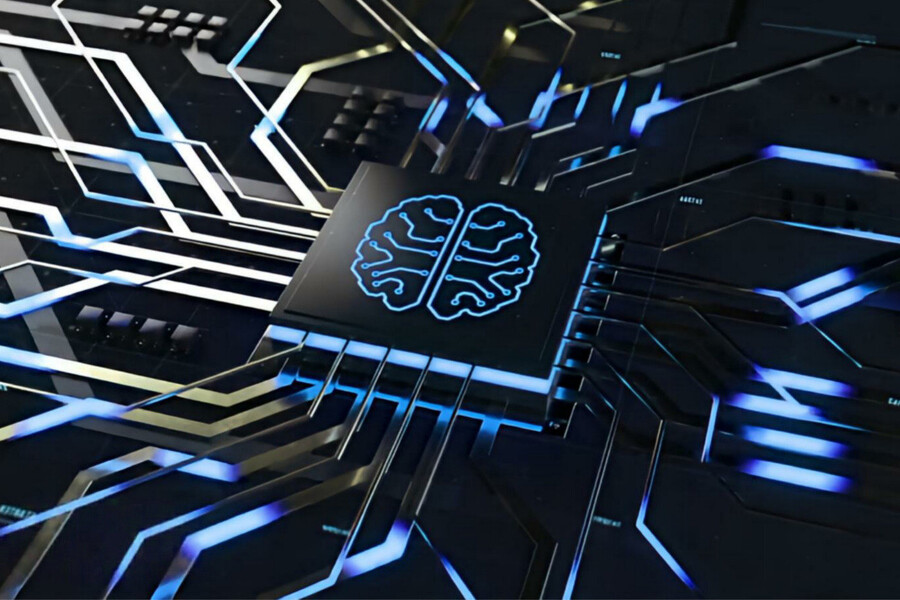
Machine learning is a type of artificial intelligence (AI) that teaches a computer to learn from experience, rather than giving it a strict list of instructions. It uses math to find meaningful patterns in large, complicated datasets. Machine learning is a form of AI that behaves like an extremely powerful calculator that can process thousands of millions of data points. Popularized tools such as ChatGPT and Google Gemini are a different type of AI that mimic how humans speak.
In the chemical mixtures study, the researchers will measure the amounts of thousands of chemicals present in the blood of women who did not get breast cancer and compare it to those who did get breast cancer. They will use a laboratory method called non-targeted analysis, which searches for every chemical present in a blood sample rather than just a specific few. It will identify millions of chemicals within one sample, resulting in a large and complex dataset. As compared to traditional environmental health studies, which often examine the toxicity of one chemical at a time, the non-targeted approach provides a more complete picture of the wide array of chemicals people are exposed to. This complicated dataset is not possible to analyze with traditional methods that rely on a human brain, which creates the need for machine learning tools.
This is an excerpt of a longer post on the Zero Breast Cancer site describing an ongoing UCSF study using machine learning to analyze chemical mixtures. Read the full post here and find links to the previous blogs in the series.
Lianna led programs at Zero Breast Cancer (ZBC) for seven years before the organization became a project of CHE in 2024. Prior to joining ZBC, she had over a decade of experience as a researcher and educator. Lianna earned her M.A. and C.Phil. in Sociology with a concentration in Gender Studies at the University of California, Los Angeles and is a National Board-Certified Health and Wellness Coach.
Camille Sytko worked for CHE as a Science Communications Intern. She is a recent graduate of UCLA, where she majored in Environmental Science and minored in Environmental Systems and Society.