

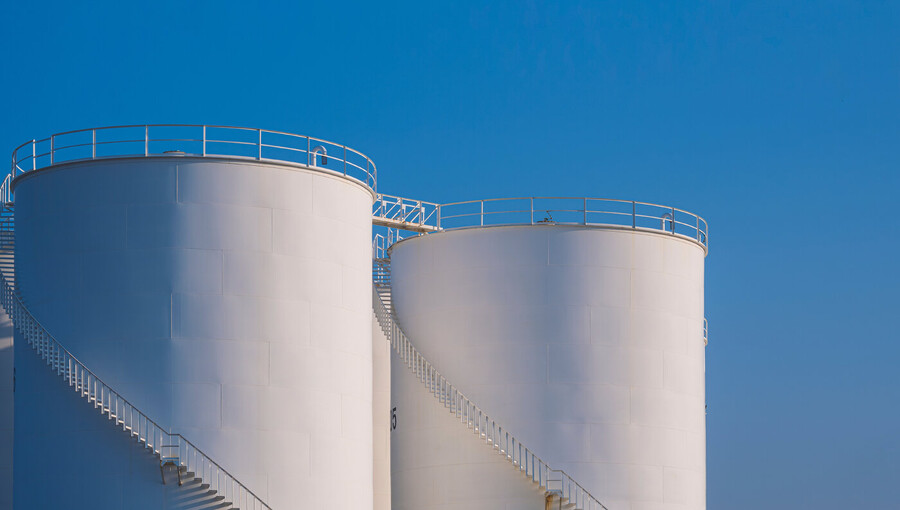

Over the long weekend, tens of thousands of people were under evacuation orders due to the threat of a potentially catastrophic release of methyl methacrylate (MMA). For up-to-date information on this emergency, see the Health Advisory published by the California Department of Public Health and the City of Garden Grove emergency page.
Uses of methyl methacrylate
The California Department of Public Health (CDPH) notes that, “MMA is widely used to manufacture a range of shatter-resistant acrylic materials such as Plexiglas, as well as a variety of resins coatings, and adhesives. MMA is also used by dentists to make dental materials such as crowns and fillings as well as by surgeons to make bone cement for some orthopedic procedures.”
MMA is also used in nail products such as acrylic nails, nail polish, and gel nail products. The California Department of Toxic Substances Control (DTSC) has recently adopted nail products that contain more than a specified level of MMA as a priority product under California’s Safer Consumer Products Regulation. This designation is the first step in a regulatory process that requires disclosure and identification of safer alternatives, among other provisions. DTSC notes that it has “determined that exposure to MMA through normal use of nail products may contribute to or cause significant or widespread adverse impacts to Californians, including to sensitive subpopulations such as nail salon workers, pregnant people and their fetuses, infants, children, and adolescents.”
Fire, explosion & health hazards
Methyl methacrylate poses severe risks of fire and explosion. Among other hazards, it can undergo exothermic polymerization, in which the chemical releases heat as it changes from a liquid to a solid. More detail is provided in this article and on the CDPH website. (Also see this coverage in the NY Times.)
MMA poses both acute (short-term) and chronic (longer-term) health hazards. CDPH provides an overview of potential short-term health effects of MMA exposure – these can include breathing problems; neurological symptoms such as headache, drowsiness, and numbness/tingling; and skin reactions. Additional, detailed information is available in New Jersey’s Hazardous Substance Fact Sheet. This fact sheet also notes that MMA “may damage the developing fetus.”
MMA is categorized as an asthmagen and a sensitizer by the Association of Occupational and Environmental Clinics. This classification means that the chemical can cause new-onset asthma through a sensitization mechanism. When a person is exposed to a sensitizer, subsequent exposures even to low doses can cause a severe reaction. To learn more about how chemicals can cause asthma in previously healthy people, see this fact sheet from the Massachusetts Toxics Use Reduction Institute.
The California Department of Toxic Substances Control (DTSC) notes that “MMA is a recognized skin sensitizer and can cause severe skin irritation.” DTSC explains: “Skin sensitization is when an immunological response occurs following previous exposure to a substance and results in an inflammatory skin reaction. Skin sensitization may or may not result in an allergic reaction upon initial contact with a chemical. However, once skin sensitization develops, intense skin responses may occur even at low chemical concentrations.” A detailed review of health effects of MMA can be found in DTSC’s Product‐Chemical Profile for Nail Products Containing Methyl Methacrylate (MMA), published in 2024.
Occupational exposure limits
Methyl methacrylate is regulated as an occupational hazard; allowable levels in air have been established for people who are exposed in the workplace. These standards have been developed for adults exposed at work, not for exposure that may be experienced by members of the general public, including children.
The federal Occupational Safety and Health Administration (OSHA) Permissible Exposure Limit (PEL) is 100 ppm (time-weighted average). A time-weighted average refers to average exposure over a standard work day or other standard time period. The California occupational exposure standards are somewhat more protective than the federal standards, with a PEL of 50 ppm (time-weighted average) and a short term exposure limit (STEL) of 100 ppm. The National Institute for Occupational Safety and Health (NIOSH) has also established an Immediately Dangerous to Life and Health (IDLH) level at 1,000 ppm based on data collected in the 1940s-70s.
Personal protective equipment
The use of personal protective equipment (PPE) is, in general, the least preferable way to address a chemical hazard. In the hierarchy of controls, eliminating the hazard is the most effective approach, and reliance on PPE is the least effective.
In addition, the forms of PPE that are available to most members of the public are not protective against MMA. California DPH notes that “Most consumer grade respiratory protective equipment (such as face masks or N95 respirators) will not provide protection from MMA.” The New Jersey Hazardous Substance Fact Sheet includes information including: “Where the potential exists for exposure over 50 ppm, use a MSHA/NIOSH approved full facepiece respirator with an organic vapor cartridge,” and notes that additional equipment would provide further protection.
The RMP rule
The Risk Management Plan (RMP) rule is a federal regulation that is intended to help prevent or mitigate chemical disasters. As described on EPA’s website, “The RMP rule requires facilities that use extremely hazardous substances to develop a Risk Management Plan which: identifies the potential effects of a chemical accident, identifies steps the facility is taking to prevent an accident, and spells out emergency response procedures should an accident occur.” However, the RMP rule applies only to a limited list of chemicals; MMA is not on the list. In addition, EPA has recently proposed changes to the RMP rule that would weaken and roll back requirements related to chemical disaster prevention.
The need for safer alternatives
As long as large quantities of highly hazardous chemicals are in use, there is the risk of chemical disasters. Safety systems with multiple levels of redundancy are essential to prevent disasters resulting from the storage and use of highly hazardous chemicals, but eliminating reliance on these chemicals is a more robust way to protect communities. An article published after the East Palestine chemical disaster in 2023 noted, “If we want to end dangerous chemical incidents that make people and ecosystems sick, we need to address our dependence on these chemicals and the manufacturing processes needed to make them.” Or as stated in a 2008 report on chemical disasters, “What you don’t have can’t leak, or be blown up.”
Information & resources about this developing situation:
- California Department of Public Health, Health Advisory: Information on Methyl Methacrylate (MMA)
- City of Garden Grove, Emergency web page.
Learn about chemical disaster prevention:
- Coalition to Prevent Chemical Disasters
- CHE webinar, The Ohio Train Derailment: Impacts & Emerging Lessons
Updates and additional analysis:
Fortunately for everyone, this particular chemical tank did not explode or release a catastrophic chemical spill. Below is some additional coverage of this extremely close call and its consequences.
- Reyes-Velarde A and Lazo A. A chemical tank nearly exploded. Did California’s regulators miss the signs? CalMatters (May 30, 2026).
- Schneid R and Hall R. Back-to-Back Chemical Disasters Strike as Trump Seeks to Roll Back Safety Rules. Time (May 31, 2026).
References for links noted above:1
Dr. Rachel Massey is Senior Science and Policy Advisor at the Collaborative for Health and Environment and Senior Research Associate at the Lowell Center for Sustainable Production at the University of Massachusetts Lowell.