

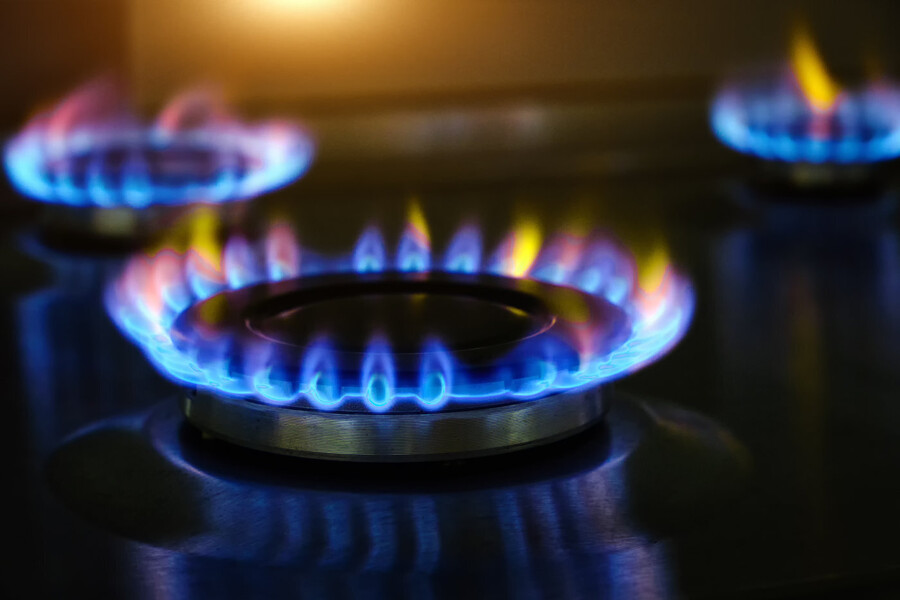
About 38 percent of U.S. homes use gas-fired stoves and ovens for cooking. Combustion of so-called “natural gas” — which is primarily methane — creates many toxic air pollutants, including nitrogen oxides, benzene, and carbon monoxide. Nitrogen dioxide (NO2) is a respiratory irritant linked with asthma and chronic obstructive pulmonary disease. Benzene is a known human carcinogen with no safe level of exposure. Scientists have shown that gas stove pollution can travel out of the kitchen and linger around the home.
In a recent webinar, Dr. Yannai Kashtan presented findings from a recent study that found gas stoves are exposing 22 million Americans to NO2 levels that exceed established health thresholds. He discussed these and other important health data linked to gas stoves. Brady Seals discussed ways individuals can protect themselves at home, collective solutions such as community science air quality monitoring, policy solutions such as gas stove warning label bills, and global approaches to safer cooking options.
Climate impacts & health harms
Gas stoves emit both methane and carbon dioxide when they are in use. Methane and carbon dioxide are not directly harmful to human health in the concentrations typically observed indoors due to gas stoves, but they are harmful as contributors to climate change. Gas stoves also emit methane through leaks even when not in use. One study found that 76% of methane emissions occur when the stoves are off. Kashtan noted that gas water heaters also emit significant amounts of methane.
Gas stove pollutants that have direct impacts on health include NO2, carbon monoxide, and formaldehyde, as well as benzene, toluene, ethylbenzene, and xylenes (collectively known as BTEX). For these, gas stoves are more of a health concern than water heaters or other appliances because gas stoves emit directly into indoor air. Most other gas appliances are vented to the outside.
The air inside homes with gas stoves has average concentrations of NO2 that are 50 to 400 percent higher than the air inside homes with electric stoves — often at levels that breach outdoor air health standards. Kashtan’s analysis showed that, in the US, gas stoves are the source of about 24% of people’s exposure to NO2 — nearly a quarter of residential exposure. The reason it is so high is because the stoves release NO2 directly into our homes.
Prolonged exposure to elevated levels of NO2 is linked to asthma cases. A 2024 study found that, across the United States, gas stoves are likely responsible for approximately 200,000 current pediatric asthma cases. This is both from NO2 and the other pollutants that stoves release. The American Medical Association and the American Public Health Association have each recognized the links among gas stoves, NO2 pollution, and increased respiratory illnesses in children, and have called for a transition away from gas stoves and toward electrification of home appliances.
Benzene is one of the other pollutants emitted by gas and propane stoves. Benzene is emitted both when natural gas is burned and when it leaks uncombusted from the appliances. Benzene levels in natural gas can vary widely, so the amount of benzene in indoor air that comes from burning and leaking varies widely as well. In some cases, having a gas stove in the home can create benzene concentrations comparable to secondhand smoke. Benzene is a known human carcinogen that increases the risk of leukemia and other blood disorders.
Kashtan stressed that gas leaks are an unavoidable part of the system. Simply having indoor gas appliances in place releases greenhouse gases as well as hazardous pollutants.
A history of corporate influence
Beginning in the 1940’s, as the electrification of homes in the US increased, the use of gas stoves declined. In response to this decline, the gas industry hired Hill and Knowlton — the same Public Relations firm that advised the tobacco industry — to aggressively promote gas stoves.
The link between gas stove emissions and respiratory distress in children has been shown in dozens of studies dating back almost 50 years. To counter these studies, in the 1970s the American Gas Association (AGA) began sponsoring their own epidemiological studies of health effects of gas stove emissions. These industry-funded studies found no associations between gas stoves and respiratory illness. These results were then used to promote uncertainty in the science, delaying any action. In contrast to the AGA-funded studies, independent studies consistently found associations with respiratory illness. Kashtan shared evidence that the gas industry continues to use these same tactics today.
After the gas industry hired Hill and Knowlton, the use of gas stoves began increasing again. Today, about half of new homes include gas stoves.
Reducing harms
Brady Seals shared many tips for reducing health harms and pollution from gas stoves, starting with things that individuals can do:
- Cook on the back burners.
- Use your range hood.
- Open a window.
- Install/check carbon monoxide detectors.
- Tighten valve fittings.
- Use less gas: electric kettle, toaster oven, air fryer, plug-in cooktop, etc.
- Use an air cleaner with HEPA & carbon filters.
- Switch to electric ovens and stovetops.
- Renters can talk to their property manager about moving toward electric cooking options.
Seals stressed that it should not be left to individuals to solve this issue. She shared several examples of steps communities can take to build momentum for change. Collectively, the biggest impacts will come from policy changes. Seals highlighted several helpful policies:
- Requiring warning labels on gas stoves, which can increase awareness.
- Updating and enforcing indoor air quality guidelines.
- Designing new buildings with performance standards to protect indoor air quality.
- Enacting all-electric building codes.
- Requiring ventilation for gas stoves.
- Enacting zero emission appliance standards, phasing out the sale of gas appliances.
Globally, over two billion people still cook with wood or charcoal. However, since 2010, roughly one billion people have gained access to electricity. Electrification presents a huge opportunity to transition people to cooking methods that don’t pollute their indoor air. Seals ended her presentation with a question:
“How can we more ambitiously pursue the cleanest path for all, which is no combustion pollutants in the places where we live?”
For more, see our webinar, co-hosted with Concerned Health Professionals of NY, a program of the Science and Environmental Health Network (SEHN): Gas Stove Emissions: Indoor air quality & health effects.
This organizational blog was produced by CHE's Science Writer, Matt Lilley.