

About 38 percent of U.S. homes use gas-fired stoves and ovens for cooking. Combustion of so-called “natural gas” — which is primarily methane — creates many toxic air pollutants, including nitrogen oxides, benzene, and carbon monoxide. Nitrogen dioxide (NO2) is a respiratory irritant linked with the development of asthma and chronic obstructive pulmonary disease. Benzene is a known human carcinogen with no safe level of exposure. Unburned gas, which contains hazardous air pollutants such as benzene, leaks from household stoves even when they are not in use. Scientists have shown that gas stove pollution travels efficiently out of the kitchen and around the home.
Building codes typically require that gas-fired furnaces, boilers, clothes dryers, and water heaters exhaust combustion byproducts to the outdoors. In contrast, gas stoves more often release hazardous pollutants directly into indoor air.
The link between gas stove emissions and respiratory distress in children has been shown in dozens of studies dating back almost 50 years. A 2024 study showed that, across the United States, gas stoves are likely responsible for approximately 200,000 current pediatric asthma cases.
The air inside homes with gas stoves has average concentrations of NO2 that are 50 to 400 percent higher than the air inside homes with electric stoves — often at levels that breach outdoor air health standards. The American Medical Association and the American Public Health Association have each recognized the links among gas stoves, NO2 pollution, and increased respiratory illnesses in children, and have called for a transition away from gas stoves and toward electrification of home appliances.
In this webinar, Dr. Yannai Kashtan presented findings from a recent study that found gas stoves are exposing 22 million Americans to NO2 levels that exceed established health thresholds. He discussed these and other important health data linked to gas stoves. The webinar also briefly addressed the growing building electrification movement, which has arisen primarily in response to the climate impact of fossil-fuel connected buildings but has vast health-protective potential. Brady Seals discussed ways individuals can protect themselves at home, collective solutions such as community science air quality monitoring, policy solutions such as gas stove warning label bills, and global approaches to safer cooking options.
Featured Speakers

Brady Seals is the founding Director of Electrification for Health, an interdisciplinary research and solutions- oriented program focused on improving health outcomes through the adoption of clean electric systems that reduce indoor and outdoor air pollution. In this role, she provides strategic leadership for the program and oversees work across research, policy engagement, and external partnerships. Prior to joining Stanford, Brady spent nearly six years at the Rocky Mountain Institute (RMI), where she led a team advancing evidence on the health and air quality benefits of highly efficient electric buildings. Earlier in her career, she worked internationally on household energy access in the nonprofit and private-sectors, with experience in 15 countries, including as a co-founder of a startup. Her work has been cited or featured in more than 100 media outlets, including the New York Times, the Washington Post, NPR, CBS, and The Samantha Bee Show. Brady holds an MBA from the University of South Dakota and a BA in Globalization Studies, with minors in Spanish and Peace & Justice Studies, from Gettysburg College.
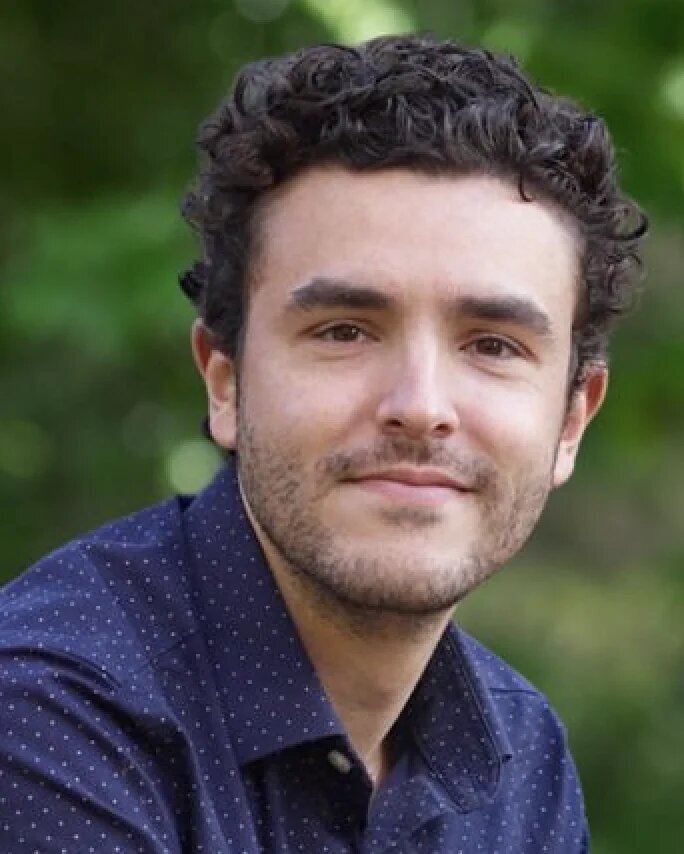
Yannai Kashtan, PhD, joined PSE Health Energy research group in 2024 as a scientist. His work focuses on the health impacts of fossil fuel use, particularly in the home. Dr. Kashtan received his PhD from Stanford University, where he researched indoor pollution from gas stoves. He has published studies identifying benzene as a major pollutant from gas stoves and quantifying pollutant exposures and adverse health outcomes associated with gas stove use. Prior to his PhD, Dr. Kashtan investigated a novel catalyst synthesis at Stanford University, where he earned his MS, and earned a BA in Physics and Chemistry from Pomona College.
This webinar is co-hosted with Concerned Health Professionals of NY, a program of the Science and Environmental Health Network (SEHN).