

An estimated 1.1 million people in the U.S. are currently living with Parkinson's disease (PD), and this number is expected to rise to 1.2 million by 2030. Globally, more than 10 million people are estimated to be living with PD, which is now the fastest growing brain disorder in the world.
Science has long linked certain environmental contaminants to increased risk of PD, and some researchers are now making the case that this fast-growing disease may be largely preventable.
This is the case made by the authors of The Parkinson’s Plan. The recently released book documents three types of environmental exposures that research has linked to increased risk of Parkinson’s disease: certain pesticides, the solvent trichloroethylene, and air pollution. The authors reach the hopeful conclusion that by addressing these pollutants, “it may be possible to create a world where Parkinson’s disease is increasingly rare.”
In this CHE Café conversation, we explored new approaches to Parkinson’s disease prevention. We heard from Dr. Ray Dorsey, a co-author of The Parkinson’s Plan, and Dr. Ted Schettler, who has long been interested in environmental influences on aging and is a co-creator of Sam’s Story, the Story of Health ebook on environmental drivers of cognitive decline.
The discussion was co-sponsored with The New School at Commonweal, and hosted by CHE Director Kristin Schafer.
Featured Speakers
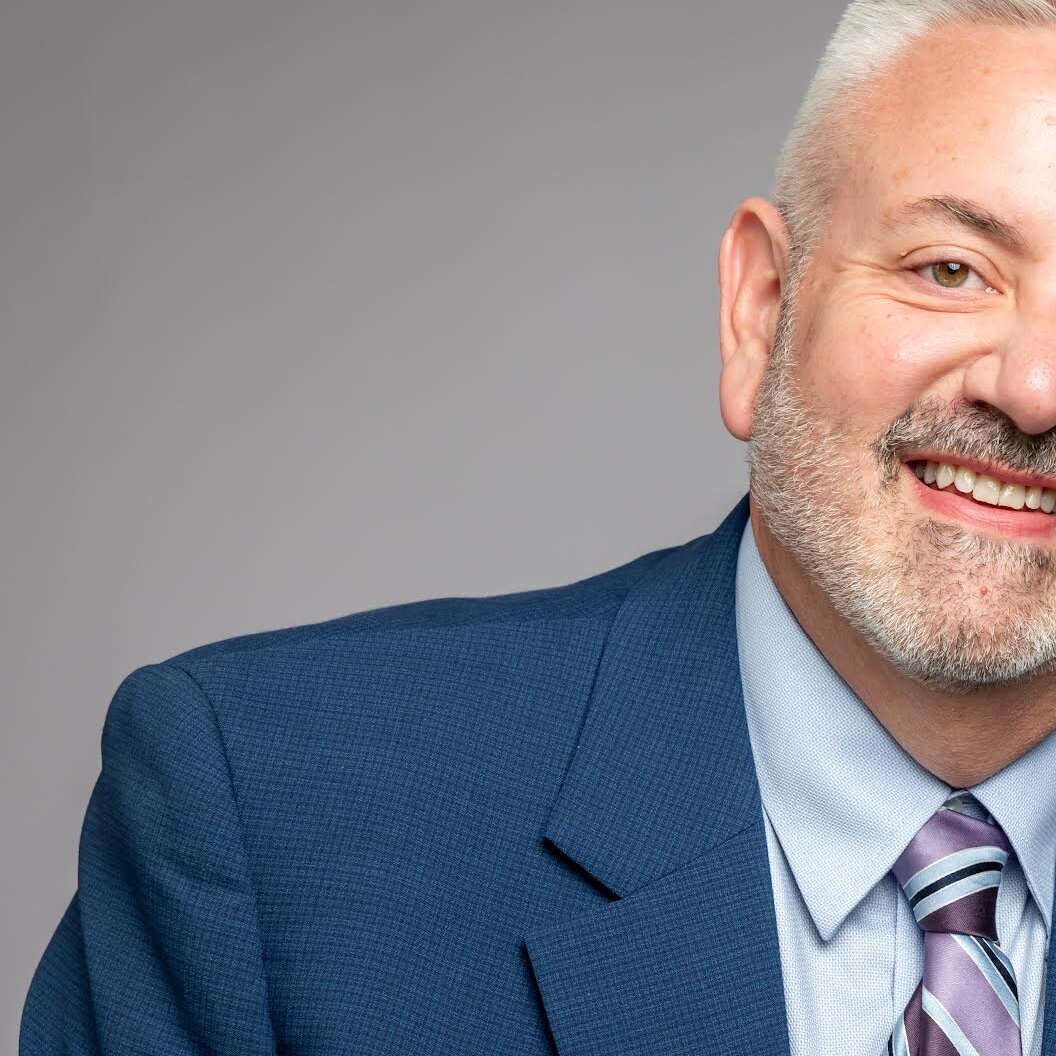
Dr. Ray Dorsey is the director of the Center for the Brain & the Environment at the Atria Health and Research Institute. The center’s mission is to identify the root causes of brain diseases from autism to Alzheimer’s so that we can prevent them. With his colleagues, he wrote Ending Parkinson’s Disease and the forthcoming The Parkinson’s Plan, which details a new path to preventing and treating this terrible disease. Dr. Dorsey previously directed the Center for Health + Technology at the University of Rochester, chaired the international Huntington Study Group, led the movement disorders division at Johns Hopkins, and consulted for McKinsey & Company. In 2015, the White House recognized him as a “Champion for Change” for Parkinson’s disease.

Dr. Ted Schettler is Science Director of the Science and Environmental Health Network and co-founder and advisory team member for CHE. He is co-author of Generations at Risk: Reproductive Health and the Environment, which examines reproductive and developmental health effects of exposure to a variety of environmental toxicants. He is also co-author of In Harm's Way: Toxic Threats to Child Development, which discusses the impact of environmental exposures on neurological development in children, and Environmental Threats to Healthy Aging: With a Closer Look at Alzheimer' and Parkinson's Diseases. Dr. Schettler has published numerous articles in the medical literature, and is frequently quoted in the popular press. He received his MD from Case-Western Reserve University and a master's degree in public health from the Harvard School of Public Health. He practiced medicine for many years in New England, and has worked extensively with community groups and non-governmental organizations throughout the US and internationally, addressing many aspects of human health and the environment. Dr. Schettler has served on advisory committees of the US EPA and National Academy of Sciences.